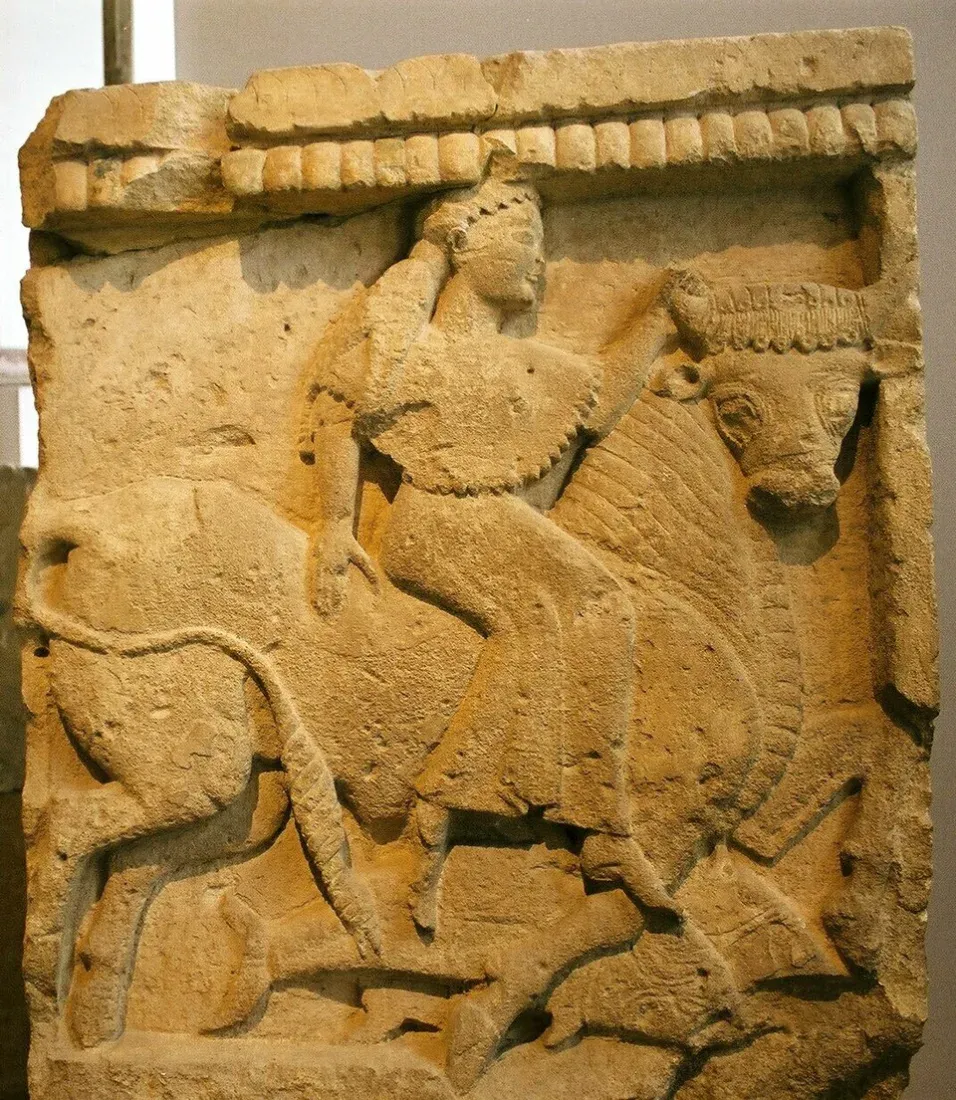
Poets and playwrightsImperial and late antique verse
Nonnus
Nonnus’ Dionysiaca and the hexameter of late antiquity.
About · 1 of 2
Nonnus and the last refinement of the hexameter
The poet and the poem. Nonnus of Panopolis wrote the Dionysiaca, an epic of Dionysus. The poem’s opening section is called the proem. It announces the themes (1.1–33).[1] They are the god’s double birth, from Semele and from the thigh of Zeus; his fight with the Giants; his war against the Indians; his love for Aura; Lycurgus; Icarius; and the first wine-press. The last lines show him drinking nectar at his father’s table, “enthroned with Apollo” (48.975–978).
In the Perseus text (W. H. D. Rouse’s Loeb, 1940–1942) the poem fills 48 books and 21,281 hexameters. Each book is introduced by a short verse summary. None of the metrical sources used on this site gives Nonnus’ life or date. West places him in the fifth and sixth centuries, with “his followers”.[2]
Students of Sappho may meet him in an unexpected place. Nonnus tells how roses sprang up when the foam-born goddess Aphrodite first stepped ashore. That account is cited in a reading of the garden of Aphrodite in Sappho’s fragment 2 (Dion. 41.118–25).[3]
Why the metre matters. The story of Greek verse in the later centuries begins from a change in the language. Classical Greek had a pitch accent, and the accent played no part in the metre. From the Hellenistic period on it slowly took on some stress. Accented syllables tended to lengthen, and unaccented ones to shorten. By around the third century AD the contrast of long and short syllables had largely gone from speech.[4]
The stress accent grew up together with the loss of vowel quantity. The change started in popular speech and reached the literary language late.[5] Poets went on writing quantitative verse, which they learnt at school. But it was now a thoroughly artificial skill.[6] (The accent itself is the subject of the Accent page.)
Nonnus writes in this situation. The Alexandrian hexameter reaches its peak in Callimachus.[7] Nonnus keeps every one of its refinements, and refines it further still.[2] His contraction, elision and hiatus are tightly restricted. Several of his rules concern the accent, which by his time was what a reader actually heard.
One of these rules shows the logic. In everyday speech, words such as πολλά (polla), “many”, or ἄλλος (allos), “other”, no longer had a long final syllable at all. So scanning them by the classical rules felt too unnatural.[8] The rules are set out, with examples from the Dionysiaca, on the Nonnian hexameter tab.
West’s two examples. West quotes two lines of the Dionysiaca. D. 42.43 shows the one place where Nonnus lets a word of the shape — ⏑ have its last syllable lengthened by a following consonant. That place is the start of the line, and the word is an oxytone of three syllables. An oxytone is a word with the acute accent on its last syllable. D. 8.349 is “exceptional”. Here ἀθρῆσαι (athrēsai) has a long penultimate and a final -αι, and its last syllable is lengthened before μ:[9]
ὀφθαλμὸς προκέλευθος ἐγίνετο πορθμὸς Ἐρώτων
ophthalmos prokeleuthos egineto porthmos Erōtōn
“the eye became the forerunner, the ferryman of the Loves”
ὀφθαλμός is an oxytone of three syllables at the start of the line, the one place where Nonnus lets a word ending — ⏑ have its last syllable (red) lengthened, here before πρ-.
Nonnus, Dionysiaca 42.43, Rouse’s text (Perseus)
synthetic ∿
εἰς γάμον ἀθρῆσαι μινυώριος ἔλπετο νύμφη
eis gamon athrēsai minyōrios elpeto nymphē
“the short-lived bride hoped to see her (Hera’s) marriage”
The exceptional line: ἀθρῆσαι has a long penultimate and a final -αι, and its last syllable (red) is lengthened before μ-.
Nonnus, Dionysiaca 8.349, Rouse’s text (Perseus)
synthetic ∿
Rouse’s text, quoted here, has the same words in both lines. It writes Ἐρώτων with a capital, where West has ἐρώτων. The works section Dionysiaca, 42.40–53 scans the passage that contains the first line.
Followers. The sixth-century poets of Agathias’ Cycle go back to a far stricter technique. Their hexameters lean the same way as Nonnus’, though less strictly than his. Agathias himself is stricter in the hexameters of his preface than in his epigrams.[10]
The works. Dionysiaca, 1.1–33 is the proem. In it the poet calls for Proteus, whose changing shapes promise a varied poem. Dionysiaca, 42.40–53 is Dionysus’ first sight of Beroe. Every line in both is checked against each of West’s rules, and the counts are on the Nonnian hexameter tab.
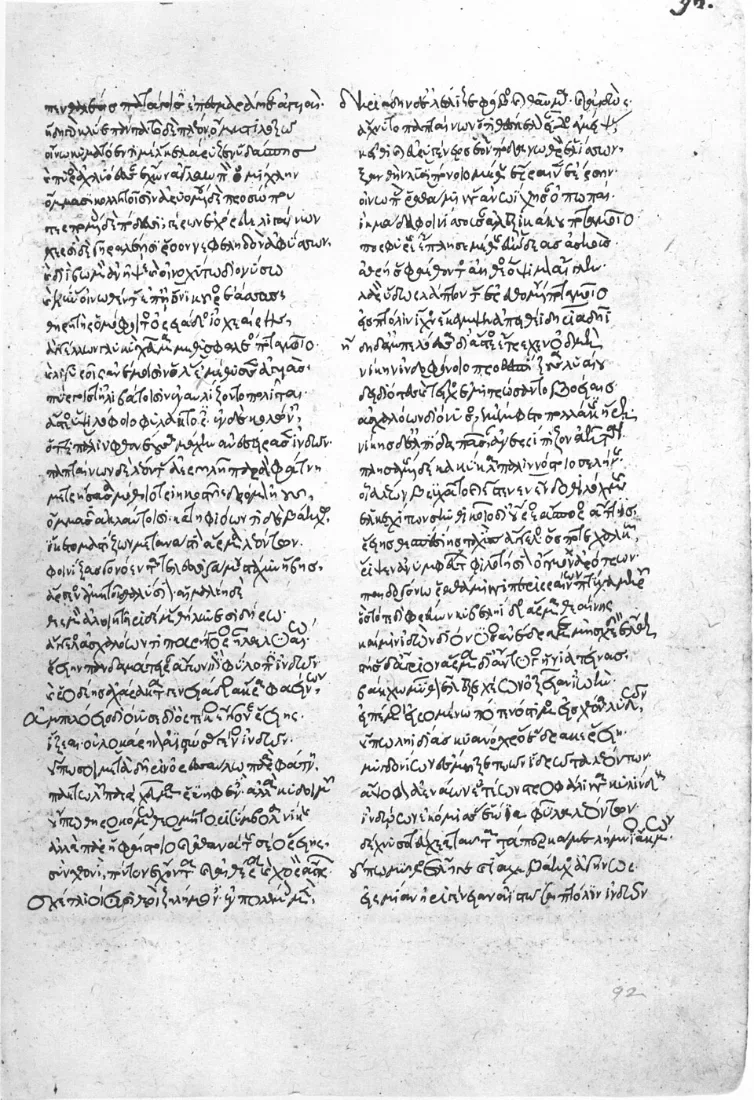
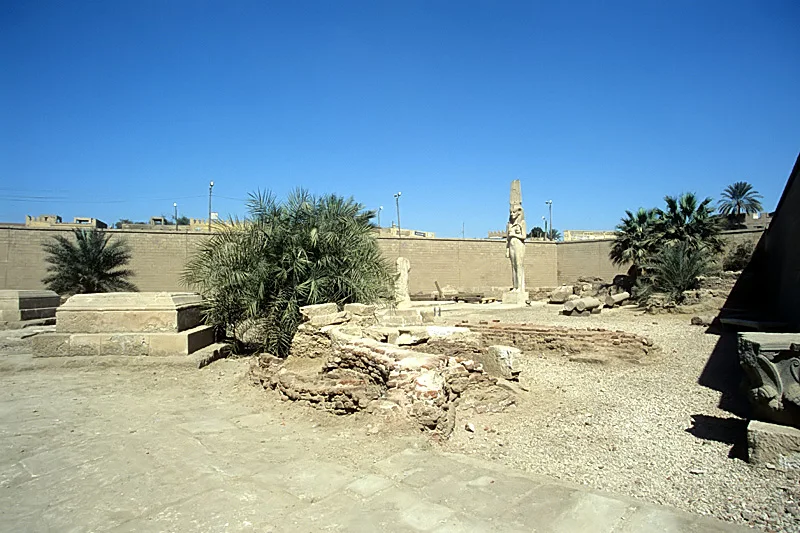
Notes
About · 2 of 2
The Nonnian hexameter: the rules, tested on 47 lines
The Nonnian hexameter can be described in two steps. The first step is the Callimachean hexameter: its chief features, and the uncommon rhythms Callimachus avoids.[1] The second step is the further restrictions that hold in Nonnus on top of those. Not all of them are without exceptions.[2] After them come the accentual habits of Nonnus and the poets who followed him.[3] The first three lines of the poem show several of the rules at work:
εἰπέ, θεά, Κρονίδαο διάκτορον αἴθοπος αὐγῆς,
νυμφιδίῳ σπινθῆρι μογοστόκον ἄσθμα κεραυνοῦ,
καὶ στεροπὴν Σεμέλης θαλαμηπόλον· εἰπὲ δὲ φύτλην
eipe, thea, Kronidao diaktoron aithopos augēs, / nymphidiōi spinthēri mogostokon asthma keraunou, / kai steropēn Semelēs thalamēpolon; eipe de phytlēn
“Tell, goddess, of the minister of the son of Cronos’ blazing light, the birth-pang breath of the thunderbolt with its bridal spark, and of the lightning that attended Semele’s chamber; tell of the birth”
Lines 1 and 2 have the feminine caesura (after Κρονίδαο, σπινθῆρι); line 2 has one contracted biceps before it (red), and none after. Line 3 has the masculine caesura after Σεμέλης (red), a paroxytone with a long vowel in its last syllable, as Nonnus normally places there. No line contracts the fifth biceps.
Nonnus, Dionysiaca 1.1–3, Rouse’s text (Perseus), scanned as on this site’s works tab
synthetic ∿
The table gives each rule. Beside it stands the behaviour of the 47 lines scanned on this page’s two works tabs (Dionysiaca 1.1–33 and 42.40–53). The counts are this site’s, made from the workbench’s scansion. A prepositive is a short word that leans on the word after it, and a postpositive one that leans on the word before. Each is counted with the word it belongs to, as West prescribes for the bridges.[4]
| Rule | West 1987 | In the 47 lines |
|---|---|---|
| A caesura in the third foot in every line; feminine caesurae frequent | p. 78 | every line; 40 feminine, 7 masculine |
| No word-end between the two shorts of the fourth biceps (Hermann’s bridge) | pp. 21, 78 | kept in every line |
| No word-end after a contracted fourth biceps (Naeke’s law) | p. 78 | kept (1.7 καὶ is a prepositive) |
| No more than one contracted biceps before the caesura, nor after it | p. 79 | kept: 37 contractions; 4 lines have two, one on each side |
| No contraction of the fifth biceps | p. 79 | kept: none |
| Elision only of indeclinable words | p. 79 | no elision at all |
| Hiatus, and lengthening before an initial liquid, only in stereotyped expressions and borrowings from Homer or Apollonius | p. 79 | two hiatuses, both Homeric phrases with an old digamma: εὖ εἰδὼς (eu eidōs), “knowing well” (1.8; Il. 1.385), οὐδέ οἱ (oude hoi), “nor to him” (42.47; Od. 5.271); no lengthening before a liquid |
| A word that ends — ⏑ (πολλά, polla; ἄλλος, allos) is hardly ever placed so that its last syllable is lengthened, except an oxytone of three syllables at the start of the line | p. 79 | one case, ὀφθαλμὸς (ophthalmos) (42.43), West’s own example of the exception |
| Contracted bicepses favour accented syllables | p. 80 | 22 of the 37 contracted bicepses carry the accent, against 118 of the 282 syllables in the princeps |
| Before a masculine caesura, normally a paroxytone with a long vowel in its last syllable | p. 80 | 7 of 7: Σεμέλης (Semelēs), ἔχων (echōn), δρακοντοκόμων (drakontokomōn), ἀνευάξω (aneuaxō), ἀίξῃ (aïxēi), ἀμπελόεις (ampeloeis), Βερόην (Beroēn) |
| Before a feminine caesura, no oxytone unless there is word-end after the second princeps | p. 80 | 2 oxytones, both after such a word-end: μιμηλὸν (mimēlon) (1.29), ὀχετηγὸν (ochetēgon) (42.42) |
| At line-end, no proparoxytone, and no oxytone of more than two syllables with a short last vowel | West 1987, p. 80; Allen reads this rule as the first that legitimately shows a stress accent at work in the hexameter[5] | kept in every line |
Maas’s account. Maas describes the same strict hexameter. He draws it from Nonnus’ Dionysiaca (about 25,000 lines) together with Callimachus’ Hymns (all but the fifth) and Hecale. In this hexameter every line has a feminine or, less often, a masculine caesura, and long words or word-groups are sought just before it. Hermann’s Bridge is always kept. A word never ends after a contracted fourth biceps (Naeke’s Law), or after a contracted second biceps (Hilberg’s Law).[6]
The first three of these agree with West’s rules in the table. Hilberg’s Law overlaps only in part with West’s rule for the second foot, which allows word-end there only after word-end at the end of the first foot. The counts above do not test it in Maas’s form. Nonnus is somewhat less strict in his Paraphrase of St John’s Gospel, and so are some of his followers.[7]
Where the lines go against the letter of a rule. Two Callimachean rules are not kept everywhere.
(1) Callimachus avoids word-end after the fifth princeps, except after a word shaped ⏑ — ⏑ ⏑ —.[2] Dionysiaca 1.12 has the permitted shape (ἀειδομένου | Διονύσου, aeidomenou | Dionysou, ⏑ — ⏑ ⏑ — | ⏑ ⏑ — —). But 1.25 (καθιππεύσας | ἐλεφάντων, kathippeusas | elephantōn) and 42.49 (ἀναμνήσας | πρόμον, anamnēsas | promon) have word-end there after a word shaped ⏑ — — —.
(2) Callimachus avoids word-end between the shorts of the second foot. He also avoids word-end “at the end of the second foot, when there is no word-end at the end of the first foot”.[2] In five lines a word ends at the end of the second foot with no word-end at the end of the first (1.8 τόκον, tokon; 1.12 δότε, dote; 1.24 Διὸς, Dios; 42.51 στατὸν, staton; 42.52 γλυκὺ, glyky). All five differ from West’s four examples in the same way. In his examples a single word runs from the first foot to the avoided word-end (μῆνιν ἄειδε | θεά, mēnin aeide | thea). Here, the word that crosses the end of the first foot stops on the second princeps, and a short word fills the second biceps. West’s statement does not say whether his rule is meant to cover this pattern. The lines are reported as they are.
What the rules add up to. Most of the rules restrict what the Homeric hexameter allowed. Homer contracts the fifth biceps in roughly one line in twenty.[8] He has nineteen elisions of nouns, adjectives and verbs in Iliad 1.1–100.[2] The accentual rules are new. In Nonnus’ time the accent had become a stress, and unaccented long syllables are likely to have sounded too short to the ear.[3] The background is on the Nonnus tab.
Notes
Nonnus, Dionysiaca 1.1–33: the proem
Synopsis
The Dionysiaca is an epic on the god Dionysus in 48 books of hexameters. Each book opens with a short summary in verse. The poem opens with a proem that lists the themes to come. They are the god’s double birth, from Semele and from the thigh of Zeus; his wars on the Giants and the Indians; his love for Aura; Lycurgus; and Icarius and the first wine-press (Dion. 1.1–33). An anonymous epigram in the Greek Anthology makes the poet speak. “I am Nonnus; my city is Pan’s”, he says, meaning Panopolis. He sang the defeat of the Giants “in Pharos” (A.P. 9.198). West places Nonnus and his followers in the fifth and sixth centuries AD. They carried the refinement of the Alexandrian hexameter to new heights.[1] Allen dates Nonnus to the fifth century. He reads the accentual rules of Nonnus’ verse as a sign of the stress accent of his day. The poem’s 25,000 or so lines stand beside Callimachus’ Hymns as the strictest form of the line.[2] The sources used here say nothing of the occasion for which he wrote.
Scanned here is the whole proem. It holds the call to the goddess to tell of the double birth, and the call for Proteus. The changing shapes of Proteus stand for the episodes of the poem: snake, lion, leopard, boar, water and tree.
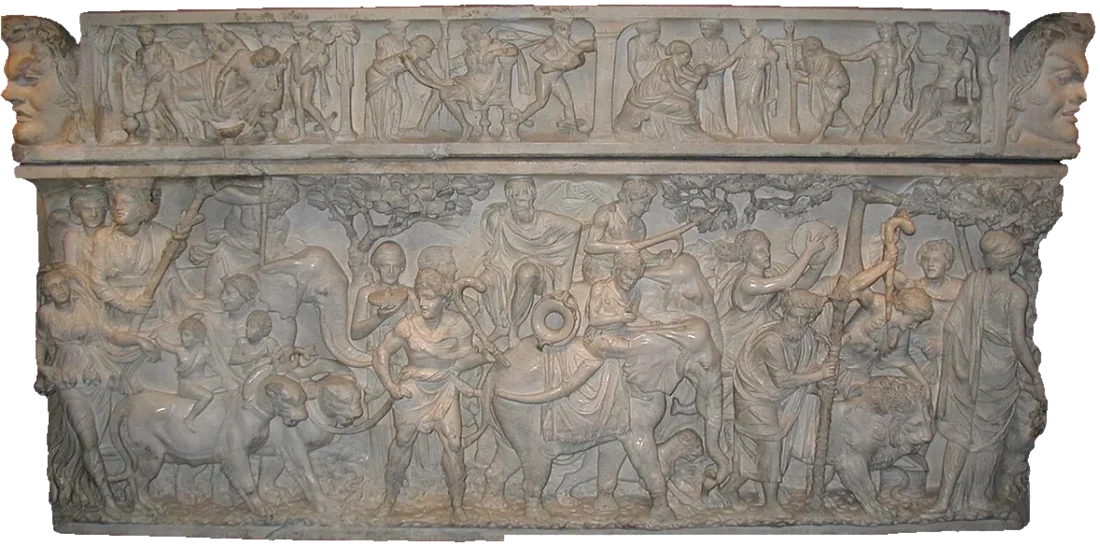
Text and translation
εἰπέ, θεά, Κρονίδαο διάκτορον αἴθοπος αὐγῆς
Nonnus of Panopolis · Dionysiaca 1.1–33 · dactylic hexameter · text of Rouse (Loeb, 1940), via the Perseus Digital Library
How to read each line
A guide to the Greek, syllables, pitch marks and quantities.
Show the reading key
- Above each line: the line as the edition prints it, each word placed over its own syllables. The main row: the same Greek divided into metrical syllables, each written as it is pronounced. A consonant that closes a syllable is written with it (λόθ | ρο); an elided word is closed up with the next vowel (ν’ἀ); a final consonant carried into the next word is set with a thin space (ς ἰ). Wider gaps mark word-ends.
- Above the syllables: the pitch of each syllable, from the accents. Under them: the quantity of each syllable as it falls in the line, then the transliteration, syllable by syllable, with accented syllables in capitals.
- Under each line: a line-for-line translation. In the right margin of the scansion: the line type, its scheme, and its analysis into cola.
Key to the labels
The names, patterns and symbols used beside this poem.
Show the labels and symbols
The labels in the right margin of the scansion below name the line, its scheme, the feet as the line realises them, and the caesurae and diaereses (the named word-ends) that fall in it. In the scheme ⏔ is a biceps, two shorts that may be contracted to one long; ⏕ is a long that may be resolved into two shorts; × is an anceps, long or short. A click on any syllable highlights its metron or colon, or, with the switch, its foot.
| Label | Name and shape | What it is |
|---|---|---|
| hem1 | First hemiepes— ⏔ — ⏔ — | The first two and a half feet of the hexameter, up to the penthemimeral caesura; in the pentameter, its whole first half. |
| hem2 | Second half of the hexameter⏔ — ⏔ — ⏑ ⏑ — × | From the penthemimeral caesura to the line-end: the fifth foot is nearly always a dactyl, the sixth is — ×. |
The traditional feet
| Foot and shape | Where |
|---|---|
| First foot: dactyl or spondee— ⏔ | Scheme positions 1–2. The biceps (⏑ ⏑) may be contracted to a single long, making a spondee. |
| Second foot: dactyl or spondee— ⏔ | Scheme positions 3–4. |
| Third foot: dactyl or spondee— ⏔ | Scheme positions 5–6. The penthemimeral caesura falls after its first syllable, the “trochaic” caesura after its second. |
| Fourth foot: dactyl or spondee— ⏔ | Scheme positions 7–8. Word-end at the end of this foot, when it is a dactyl, is the bucolic diaeresis (West’s “bucolic caesura”: word-end at the end of the fourth foot after an uncontracted biceps)[3]. |
| Fifth foot: dactyl— ⏑ ⏑ | Scheme positions 9–10. A spondee here (a “spondaic line”) is rare. |
| Sixth foot— × | Scheme positions 11–12: a long and the indifferent final syllable. |
Scansion
The proem of the Dionysiaca: the double birth of Dionysus, then a call for Proteus, whose changing shapes become the programme of the poem. Thirty-three lines, each checked against the rules West gives for the Nonnian hexameter.
Tell, goddess, of the minister of the son of Cronos’ blazing light,
the birth-pang breath of the thunderbolt with its bridal spark,
and of the lightning that attended Semele’s chamber; tell of the birth
of Bacchus twice born, whom Zeus lifted wet from the fire,
a half-finished babe, from a mother who bore him with no midwife,
and with sparing hands cut a gash in his own thigh
and brought him to birth from a male womb, both father and lady mother,
knowing well another birth, since in his fertile head,
carrying an unsown, unbelievable burden in his pregnant temple,
he had shot forth Athena, flashing in her armour.
Bring me the fennel-wand, shake the cymbals, Muses,
and put in my hand the thyrsus of Dionysus whom I sing;
but set beside me at the dance, near the neighbouring island of Pharos,
Proteus of many turns, so that he may appear
with his varied form, since I strike up a varied hymn.
For if he should creep along as a serpent, coiling in a spiral,
I will sing the god’s contest, how with the ivy-clad thyrsus
the dreadful tribes of the snake-haired Giants were destroyed;
and if he should bristle as a lion, shaking the mane on his neck,
I will cry “euoi” to Bacchus on the arm of fierce Rhea,
stealing the breast of the lion-feeding goddess;
and if, high in the air with a stormy leap of the feet,
he should spring as a leopard, changing his richly patterned shape,
I will hymn the son of Zeus, how he killed the race of the Indians,
driving elephants in a chariot drawn by leopards;
if he should make his body like the form of a boar, I will sing
Thyone’s son longing for boar-slaying Aura, his lovely bride,
the Cybelid mother of the late-born third Bacchus;
if he should become imitating water, I will sing Dionysus
plunging into the bosom of the sea when Lycurgus took up arms;
if he should quiver as a tree, putting forth a feigned rustle,
I will tell of Icarius, how beside the frenzied winepress
the grape was crushed by the competing tread of feet.
Metre
- The hexameter. Six feet, the first five dactyls or spondees, the sixth — ×, with a caesura in the third foot.[4] Nonnus keeps the refinements of the Alexandrian hexameter and adds rules of his own; West lists them,[5] and they are checked here line by line.
- Contraction. Nonnus contracts at most one biceps on each side of the caesura, and never the fifth.[6] In these 33 lines 30 bicepses are contracted; four lines have two (10, 16, 17, 33), always one before the caesura and one after; none has three, and the fifth biceps is never contracted. Seven lines (1, 3, 12, 15, 18, 28, 32) have five dactyls.
- The caesura. Every line has a caesura in the third foot: 28 feminine, 5 masculine (3, 15, 18, 20, 23). Callimachus had already given the feminine caesura a large majority.[7] Before a masculine caesura Nonnus as a rule places a paroxytone whose last syllable has a long vowel:[8] Σεμέλης, ἔχων, δρακοντοκόμων, ἀνευάξω, ἀίξῃ, all five. Before a feminine caesura he avoids an oxytone, except where a word has already ended after the second princeps:[8] the one oxytone there, μιμηλὸν (29), follows a word-end after the second princeps (πέλοι), the permitted case.
- Elision and hiatus. Nonnus elides only words that are not inflected, and allows hiatus only in fixed phrases and in what he borrows from Homer or Apollonius.[6] There is no elision at all in these 33 lines (Homer has nineteen elisions of nouns, adjectives and verbs in Iliad 1.1–100, p. 79). The one hiatus, εὖ εἰδὼς (8), is a Homeric phrase: εὖ εἰδὼς begins Iliad 1.385, and εἰδώς once began with a digamma.[9]
- Accent. West describes three accentual habits of Nonnus and his followers.[8] Contracted bicepses favour accented long syllables: here 18 of the 30 carry the word’s accent (in the two Nonnus passages on this site together, 22 of 37, against 118 of 282 syllables in the princeps). At the end of the line he avoids proparoxytones, and oxytones of three or more syllables whose last vowel is short: no line here ends with either; the line-end words are paroxytone or properispomenon (26 lines), or perispomenon (κεραυνοῦ, and two-syllable αὐγῆς, ὁλκῷ, ταρσῶν, Ἰνδῶν, ληνῷ, ταρσῷ).
- Words that end — ⏑. Nonnus hardly ever lengthens the final syllable of a word that ends — ⏑ (πολλά, ἄλλος) by placing a consonant after it.[6] In line 8 ἄλλον keeps its final syllable short, its ν carried before ἐπεί.
- Callimachean rules. No line breaks Hermann’s bridge or Naeke’s law.[10] Line 25 has word-end after the fifth princeps after καθιππεύσας (⏑ — — —), a rhythm West says Callimachus avoids except after a word shaped ⏑ — ⏑ ⏑ —;[6] line 12 has the permitted shape (ἀειδομένου). In lines 8, 12 and 24 a word ends at the end of the second foot (τόκον, δότε, Διὸς) without a word-end at the end of the first, against the letter of West’s third Callimachean rule;[6] in each, unlike all West’s examples, the word that runs over the end of the first foot ends on the second princeps and a short word fills the second biceps. West says Nonnus keeps the Callimachean restrictions and adds his own, though he does not keep all of them in every line.[6]
- Prosody. Epic: a stop + liquid inside a word makes position (φύτ-λην, ὑγ-ρὸν, πολύτ-ροπον, ἄεθ-λον, βότ-ρυς), while before an initial stop + liquid a short final vowel stays short (ἐφερπύσσειε δράκων, φρικτὰ δρακοντοκόμων).[11] Where the spelling does not show the length of α, ι or υ the workbench takes it from the metre.
- The text. W. H. D. Rouse’s Loeb text,[12] as given by the Perseus Digital Library; letter for letter, no changes.
- The Loeb page. The Perseus text is Rouse’s Loeb text. Compared with the Loeb Classical Library’s own digital edition of it, lines 1–33 are the same, except that the digital edition has ποθέντα in 27, a slip for ποθέοντα, which would leave the line a syllable short.[13]
Prosody, line by line
Every syllable, with the reason for its length. Quantities are read from the vowel where the spelling shows it, from the consonants that follow (“position”), from the accent where it tells, and from the metre where nothing else does. Editors’ notes on the text follow in the boxed paragraphs.
- 1.1
Line 1.1 · εἰπέ, θεά, Κρονίδαο διάκτορον αἴθοπος αὐγῆς,
εἰπέ, θεά, Κρονίδαο διάκτορον αἴθοπος αὐγῆς,
εἰπέ,θεά,Κρονίδαοδιάκτορον αἴθοπος αὐγῆς,dactyl, dactyl, dactyl, dactyl, dactyl, — ×; caesura after the third trochee; bucolic diaeresis.
- 1 —εἰεἰ is a diphthong, long by nature.
- 2 ⏑πέ,έ is short by nature; one of the two shorts of the biceps at position 2.
- 3 ⏑θεε is short by nature; one of the two shorts of the biceps at position 2.
- 4 —ά,ά is a vowel of unknown length; the next word begins with Κρ: the syllable is closed before it: long by position.
- 5 ⏑Κροο is short by nature; one of the two shorts of the biceps at position 4.
- 6 ⏑νίί is short by the metre (position 4 must be short); one of the two shorts of the biceps at position 4.
- 7 —δαα is long by the metre (position 5 must be long).
- 8 ⏑οο is short by nature; one of the two shorts of the biceps at position 6.
- 9 ⏑διι is short by the metre (position 6 must be short); one of the two shorts of the biceps at position 6.
- 10 —άκά is a vowel of unknown length; closed by κ: long by position.
- 11 ⏑τοο is short by nature; one of the two shorts of the biceps at position 8.
- 12 ⏑ροο is short by nature; one of the two shorts of the biceps at position 8.
- 13 —ν αἴαἴ is a diphthong, long by nature; the first consonant belongs to the previous word and is carried over to this vowel.
- 14 ⏑θοο is short by nature; one of the two shorts of the biceps at position 10.
- 15 ⏑ποο is short by nature; one of the two shorts of the biceps at position 10.
- 16 —ς αὐαὐ is a diphthong, long by nature; the first consonant belongs to the previous word and is carried over to this vowel.
- 17 ×γῆς,ῆ is long by nature; closed by ς: long by position; the position is anceps.
Five dactyls. Feminine caesura after Κρονίδαο, bucolic diaeresis after διάκτορον.[14] The ν of διάκτορον and the ς of αἴθοπος are carried into the next syllables.[15] The line ends on αὐγῆς, a two-syllable perispomenon.
- 1.2
Line 1.2 · νυμφιδίῳ σπινθῆρι μογοστόκον ἄσθμα κεραυνοῦ,
νυμφιδίῳ σπινθῆρι μογοστόκον ἄσθμα κεραυνοῦ,
νυμφιδίῳσπινθῆριμογοστόκον ἄσθμακεραυνοῦ,dactyl, spondee, dactyl, dactyl, dactyl, — ×; caesura after the third trochee; bucolic diaeresis.
- 1 —νυμυ is a vowel of unknown length; closed by μ: long by position.
- 2 ⏑φιι is short by the metre (position 2 must be short); one of the two shorts of the biceps at position 2.
- 3 ⏑δίί is short by the metre (position 2 must be short); one of the two shorts of the biceps at position 2.
- 4 —ῳῳ is long by nature; the next word begins with σπ: the syllable is closed before it: long by position.
- 5 —σπινι is a vowel of unknown length; closed by ν: long by position; a single long contracts the two shorts of the biceps at position 4.
- 6 —θῆῆ is long by nature.
- 7 ⏑ριι is short by the accent rule: circumflex on the penult requires a short final syllable; one of the two shorts of the biceps at position 6.
- 8 ⏑μοο is short by nature; one of the two shorts of the biceps at position 6.
- 9 —γοσο is short by nature; closed by σ: long by position.
- 10 ⏑τόό is short by nature; one of the two shorts of the biceps at position 8.
- 11 ⏑κοο is short by nature; one of the two shorts of the biceps at position 8.
- 12 —ν ἄσἄ is a vowel of unknown length; closed by σ: long by position; the first consonant belongs to the previous word and is carried over to this vowel.
- 13 ⏑θμαα is short by the metre (position 10 must be short); one of the two shorts of the biceps at position 10.
- 14 ⏑κεε is short by nature; one of the two shorts of the biceps at position 10.
- 15 —ραυαυ is a diphthong, long by nature.
- 16 ×νοῦ,οῦ is a diphthong, long by nature; the position is anceps.
- 1.3
Line 1.3 · καὶ στεροπὴν Σεμέλης θαλαμηπόλον· εἰπὲ δὲ φύτλην
καὶ στεροπὴν Σεμέλης θαλαμηπόλον· εἰπὲ δὲ φύτλην
καὶστεροπὴνΣεμέληςθαλαμηπόλον εἰπὲδὲφύτληνdactyl, dactyl, dactyl, dactyl, dactyl, — ×; penthemimeral caesura; bucolic diaeresis.
- 1 —καὶαὶ is a diphthong, long by nature; the next word begins with στ: the syllable is closed before it: long by position.
- 2 ⏑στεε is short by nature; one of the two shorts of the biceps at position 2.
- 3 ⏑ροο is short by nature; one of the two shorts of the biceps at position 2.
- 4 —πὴνὴ is long by nature; closed by ν: long by position.
- 5 ⏑Σεε is short by nature; one of the two shorts of the biceps at position 4.
- 6 ⏑μέέ is short by nature; one of the two shorts of the biceps at position 4.
- 7 —ληςη is long by nature; closed by ς: long by position.
- 8 ⏑θαα is short by the metre (position 6 must be short); one of the two shorts of the biceps at position 6.
- 9 ⏑λαα is short by the metre (position 6 must be short); one of the two shorts of the biceps at position 6.
- 10 —μηη is long by nature.
- 11 ⏑πόό is short by nature; one of the two shorts of the biceps at position 8.
- 12 ⏑λοο is short by nature; one of the two shorts of the biceps at position 8.
- 13 —ν εἰεἰ is a diphthong, long by nature; the first consonant belongs to the previous word and is carried over to this vowel.
- 14 ⏑πὲὲ is short by nature; one of the two shorts of the biceps at position 10.
- 15 ⏑δὲὲ is short by nature; one of the two shorts of the biceps at position 10.
- 16 —φύτύ is a vowel of unknown length; closed by τ before a liquid: stop + liquid makes position, as it usually does in epic.
- 17 ×ληνη is long by nature; closed by ν: long by position; the position is anceps.
- 1.4
Line 1.4 · Βάκχου δισσοτόκοιο, τὸν ἐκ πυρὸς ὑγρὸν ἀείρας
Βάκχου δισσοτόκοιο, τὸν ἐκ πυρὸς ὑγρὸν ἀείρας
Βάκχουδισσοτόκοιο,τὸν ἐκπυρὸς ὑγρὸν ἀείραςspondee, dactyl, dactyl, dactyl, dactyl, — ×; caesura after the third trochee; hephthemimeral caesura; bucolic diaeresis.
- 1 —Βάκά is a vowel of unknown length; closed by κ: long by position.
- 2 —χουου is a diphthong, long by nature; a single long contracts the two shorts of the biceps at position 2.
- 3 —δισι is a vowel of unknown length; closed by σ: long by position.
- 4 ⏑σοο is short by nature; one of the two shorts of the biceps at position 4.
- 5 ⏑τόό is short by nature; one of the two shorts of the biceps at position 4.
- 6 —κοιοι is a diphthong, long by nature.
- 7 ⏑ο,ο is short by nature; one of the two shorts of the biceps at position 6.
- 8 ⏑τὸὸ is short by nature; one of the two shorts of the biceps at position 6.
- 9 —ν ἐκἐ is short by nature; closed by κ: long by position; the first consonant belongs to the previous word and is carried over to this vowel.
- 10 ⏑πυυ is short by the metre (position 8 must be short); one of the two shorts of the biceps at position 8.
- 11 ⏑ρὸὸ is short by nature; one of the two shorts of the biceps at position 8.
- 12 —ς ὑγὑ is a vowel of unknown length; closed by γ before a liquid: stop + liquid makes position, as it usually does in epic; the first consonant belongs to the previous word and is carried over to this vowel.
- 13 ⏑ρὸὸ is short by nature; one of the two shorts of the biceps at position 10.
- 14 ⏑ν ἀἀ is short by the metre (position 10 must be short); the first consonant belongs to the previous word and is carried over to this vowel; one of the two shorts of the biceps at position 10.
- 15 —είεί is a diphthong, long by nature.
- 16 ×ραςα is a vowel of unknown length; closed by ς: long by position; the position is anceps.
- 1.5
Line 1.5 · Ζεὺς βρέφος ἡμιτέλεστον ἀμαιεύτοιο τεκούσης,
Ζεὺς βρέφος ἡμιτέλεστον ἀμαιεύτοιο τεκούσης,
Ζεὺςβρέφος ἡμιτέλεστον ἀμαιεύτοιοτεκούσης,dactyl, dactyl, dactyl, spondee, dactyl, — ×; caesura after the third trochee.
- 1 —Ζεὺςεὺ is a diphthong, long by nature; closed by ς: long by position.
- 2 ⏑βρέέ is short by nature; one of the two shorts of the biceps at position 2.
- 3 ⏑φοο is short by nature; one of the two shorts of the biceps at position 2.
- 4 —ς ἡἡ is long by nature; the first consonant belongs to the previous word and is carried over to this vowel.
- 5 ⏑μιι is short by the metre (position 4 must be short); one of the two shorts of the biceps at position 4.
- 6 ⏑τέέ is short by nature; one of the two shorts of the biceps at position 4.
- 7 —λεσε is short by nature; closed by σ: long by position.
- 8 ⏑τοο is short by nature; one of the two shorts of the biceps at position 6.
- 9 ⏑ν ἀἀ is short by the metre (position 6 must be short); the first consonant belongs to the previous word and is carried over to this vowel; one of the two shorts of the biceps at position 6.
- 10 —μαιαι is a diphthong, long by nature.
- 11 —εύεύ is a diphthong, long by nature; a single long contracts the two shorts of the biceps at position 8.
- 12 —τοιοι is a diphthong, long by nature.
- 13 ⏑οο is short by nature; one of the two shorts of the biceps at position 10.
- 14 ⏑τεε is short by nature; one of the two shorts of the biceps at position 10.
- 15 —κούού is a diphthong, long by nature.
- 16 ×σης,η is long by nature; closed by ς: long by position; the position is anceps.
Feminine caesura after ἡμιτέλεστον. The fourth biceps is contracted (εύ) inside ἀμαιεύτοιο, after the caesura, with no word-end after it (Naeke’s law)[7].
- 1.6
Line 1.6 · φειδομέναις παλάμῃσι τομὴν μηροῖο χαράξας,
φειδομέναις παλάμῃσι τομὴν μηροῖο χαράξας,
φειδομέναιςπαλάμῃσιτομὴνμηροῖοχαράξας,dactyl, dactyl, dactyl, spondee, dactyl, — ×; caesura after the third trochee; hephthemimeral caesura.
- 1 —φειει is a diphthong, long by nature.
- 2 ⏑δοο is short by nature; one of the two shorts of the biceps at position 2.
- 3 ⏑μέέ is short by nature; one of the two shorts of the biceps at position 2.
- 4 —ναιςαι is a diphthong, long by nature; closed by ς: long by position.
- 5 ⏑παα is short by the metre (position 4 must be short); one of the two shorts of the biceps at position 4.
- 6 ⏑λάά is short by the metre (position 4 must be short); one of the two shorts of the biceps at position 4.
- 7 —μῃῃ is long by nature.
- 8 ⏑σιι is short by the accent rule: acute on the antepenult requires a short final syllable; one of the two shorts of the biceps at position 6.
- 9 ⏑τοο is short by nature; one of the two shorts of the biceps at position 6.
- 10 —μὴνὴ is long by nature; closed by ν: long by position.
- 11 —μηη is long by nature; a single long contracts the two shorts of the biceps at position 8.
- 12 —ροῖοῖ is a diphthong, long by nature.
- 13 ⏑οο is short by nature; one of the two shorts of the biceps at position 10.
- 14 ⏑χαα is short by the metre (position 10 must be short); one of the two shorts of the biceps at position 10.
- 15 —ράξ is a double consonant (two sounds) and closes the syllable: long by position.
- 16 ×ξας,α is a vowel of unknown length; closed by ς: long by position; the position is anceps.
Feminine caesura after παλάμῃσι, hephthemimeral after τομὴν. The fourth biceps is contracted by the first syllable of μηροῖο (μη), after the caesura, with no word-end after it.[7]
- 1.7
Line 1.7 · ἄρσενι γαστρὶ λόχευσε, πατὴρ καὶ πότνια μήτηρ,
ἄρσενι γαστρὶ λόχευσε, πατὴρ καὶ πότνια μήτηρ,
ἄρσενιγαστρὶλόχευσε,πατὴρκαὶπότνιαμήτηρ,dactyl, dactyl, dactyl, spondee, dactyl, — ×; caesura after the third trochee; hephthemimeral caesura; word-end after a spondaic fourth foot.
- 1 —ἄρἄ is a vowel of unknown length; closed by ρ: long by position.
- 2 ⏑σεε is short by nature; one of the two shorts of the biceps at position 2.
- 3 ⏑νιι is short by the accent rule: acute on the antepenult requires a short final syllable; one of the two shorts of the biceps at position 2.
- 4 —γασα is a vowel of unknown length; closed by σ: long by position.
- 5 ⏑τρὶὶ is short by the metre (position 4 must be short); one of the two shorts of the biceps at position 4.
- 6 ⏑λόό is short by nature; one of the two shorts of the biceps at position 4.
- 7 —χευευ is a diphthong, long by nature.
- 8 ⏑σε,ε is short by nature; one of the two shorts of the biceps at position 6.
- 9 ⏑παα is short by the metre (position 6 must be short); one of the two shorts of the biceps at position 6.
- 10 —τὴρὴ is long by nature; closed by ρ: long by position.
- 11 —καὶαὶ is a diphthong, long by nature; a single long contracts the two shorts of the biceps at position 8.
- 12 —πότό is short by nature; closed by τ before a nasal: stop + nasal makes position, as it usually does in epic.
- 13 ⏑νιι is short by the metre (position 10 must be short); one of the two shorts of the biceps at position 10.
- 14 ⏑αα is short by the accent rule: acute on the antepenult requires a short final syllable; one of the two shorts of the biceps at position 10.
- 15 —μήή is long by nature.
- 16 ×τηρ,η is long by nature; closed by ρ: long by position; the position is anceps.
Feminine caesura after λόχευσε, hephthemimeral after πατὴρ. The fourth biceps is contracted by καὶ, a prepositive that counts with πότνια,[3] so the word-end after it is not one in the sense of Naeke’s law.[7] In πότνια the τν makes position.[11]
- 1.8
Line 1.8 · εὖ εἰδὼς τόκον ἄλλον, ἐπεὶ γονόεντι καρήνῳ,
εὖ εἰδὼς τόκον ἄλλον, ἐπεὶ γονόεντι καρήνῳ,
εὖεἰδὼςτόκον ἄλλο,ν ἐπεὶγονόεντικαρήνῳ,spondee, dactyl, dactyl, dactyl, dactyl, — ×; caesura after the third trochee; hephthemimeral caesura.
- 1 —εὖεὖ is a diphthong, long by nature; the next word begins with a vowel and nothing is elided: hiatus.
- 2 —εἰεἰ is a diphthong, long by nature; a single long contracts the two shorts of the biceps at position 2.
- 3 —δὼςὼ is long by nature; closed by ς: long by position.
- 4 ⏑τόό is short by nature; one of the two shorts of the biceps at position 4.
- 5 ⏑κοο is short by nature; one of the two shorts of the biceps at position 4.
- 6 —ν ἄλἄ is a vowel of unknown length; closed by λ: long by position; the first consonant belongs to the previous word and is carried over to this vowel.
- 7 ⏑λο,ο is short by nature; one of the two shorts of the biceps at position 6.
- 8 ⏑ν ἐἐ is short by nature; the first consonant belongs to the previous word and is carried over to this vowel; one of the two shorts of the biceps at position 6.
- 9 —πεὶεὶ is a diphthong, long by nature.
- 10 ⏑γοο is short by nature; one of the two shorts of the biceps at position 8.
- 11 ⏑νόό is short by nature; one of the two shorts of the biceps at position 8.
- 12 —ενε is short by nature; closed by ν: long by position.
- 13 ⏑τιι is short by the accent rule: acute on the antepenult requires a short final syllable; one of the two shorts of the biceps at position 10.
- 14 ⏑καα is short by the metre (position 10 must be short); one of the two shorts of the biceps at position 10.
- 15 —ρήή is long by nature.
- 16 ×νῳ,ῳ is long by nature; the position is anceps.
Hiatus after εὖ, which stays long in the first princeps before εἰδὼς: a Homeric phrase (εὖ εἰδὼς begins Iliad 1.385), and εἰδώς once began with a digamma,[9] the kind of fixed phrase or Homeric borrowing to which Nonnus restricts hiatus.[6] The first biceps is contracted (εἰ). Feminine caesura after ἄλλον, whose final syllable stays short (ν carried before ἐπεὶ)[6]; hephthemimeral after ἐπεὶ.[17]
- 1.9
Line 1.9 · ἄσπορον ὄγκον ἄπιστον ἔχων ἐγκύμονι κόρσῃ,
ἄσπορον ὄγκον ἄπιστον ἔχων ἐγκύμονι κόρσῃ,
ἄσπορον ὄγκον ἄπιστον ἔχωνἐγκύμονικόρσῃ,dactyl, dactyl, dactyl, spondee, dactyl, — ×; caesura after the third trochee; hephthemimeral caesura.
- 1 —ἄσἄ is a vowel of unknown length; closed by σ: long by position.
- 2 ⏑ποο is short by nature; one of the two shorts of the biceps at position 2.
- 3 ⏑ροο is short by nature; one of the two shorts of the biceps at position 2.
- 4 —ν ὄγὄ is short by nature; closed by γ: long by position; the first consonant belongs to the previous word and is carried over to this vowel.
- 5 ⏑κοο is short by nature; one of the two shorts of the biceps at position 4.
- 6 ⏑ν ἄἄ is short by the metre (position 4 must be short); the first consonant belongs to the previous word and is carried over to this vowel; one of the two shorts of the biceps at position 4.
- 7 —πισι is a vowel of unknown length; closed by σ: long by position.
- 8 ⏑τοο is short by nature; one of the two shorts of the biceps at position 6.
- 9 ⏑ν ἔἔ is short by nature; the first consonant belongs to the previous word and is carried over to this vowel; one of the two shorts of the biceps at position 6.
- 10 —χωνω is long by nature.
- 11 —ἐγἐ is short by nature; closed by γ: long by position; a single long contracts the two shorts of the biceps at position 8.
- 12 —κύύ is long by the metre (position 9 must be long).
- 13 ⏑μοο is short by nature; one of the two shorts of the biceps at position 10.
- 14 ⏑νιι is short by the accent rule: acute on the antepenult requires a short final syllable; one of the two shorts of the biceps at position 10.
- 15 —κόρό is short by nature; closed by ρ: long by position.
- 16 ×σῃ,ῃ is long by nature; the position is anceps.
Feminine caesura after ἄπιστον, hephthemimeral after ἔχων. The fourth biceps is contracted (ἐγ of ἐγκύμονι) inside the word.
- 1.10
Line 1.10 · τεύχεσιν ἀστράπτουσαν ἀνηκόντιζεν Ἀθήνην.
τεύχεσιν ἀστράπτουσαν ἀνηκόντιζεν Ἀθήνην.
τεύχεσιν ἀστράπτουσαν ἀνηκόντιζεν Ἀθήνην.dactyl, spondee, dactyl, spondee, dactyl, — ×; caesura after the third trochee.
- 1 —τεύεύ is a diphthong, long by nature.
- 2 ⏑χεε is short by nature; one of the two shorts of the biceps at position 2.
- 3 ⏑σιι is short by the accent rule: acute on the antepenult requires a short final syllable; one of the two shorts of the biceps at position 2.
- 4 —ν ἀσἀ is a vowel of unknown length; closed by σ: long by position; the first consonant belongs to the previous word and is carried over to this vowel.
- 5 —τράπά is a vowel of unknown length; closed by π: long by position; a single long contracts the two shorts of the biceps at position 4.
- 6 —τουου is a diphthong, long by nature.
- 7 ⏑σαα is short by the accent rule: acute on the antepenult requires a short final syllable; one of the two shorts of the biceps at position 6.
- 8 ⏑ν ἀἀ is short by the metre (position 6 must be short); the first consonant belongs to the previous word and is carried over to this vowel; one of the two shorts of the biceps at position 6.
- 9 —νηη is long by nature.
- 10 —κόνό is short by nature; closed by ν: long by position; a single long contracts the two shorts of the biceps at position 8.
- 11 —τιζ is a double consonant (two sounds) and closes the syllable: long by position.
- 12 ⏑ζεε is short by nature; one of the two shorts of the biceps at position 10.
- 13 ⏑ν ἈἈ is short by the metre (position 10 must be short); the first consonant belongs to the previous word and is carried over to this vowel; one of the two shorts of the biceps at position 10.
- 14 —θήή is long by nature.
- 15 ×νην.η is long by nature; closed by ν: long by position; the position is anceps.
- 1.11
Line 1.11 · ἄξατέ μοι νάρθηκα, τινάξατε κύμβαλα, Μοῦσαι,
ἄξατέ μοι νάρθηκα, τινάξατε κύμβαλα, Μοῦσαι,
ἄξατέμοινάρθηκα,τινάξατεκύμβαλα,Μοῦσαι,dactyl, spondee, dactyl, dactyl, dactyl, — ×; caesura after the third trochee; bucolic diaeresis.
- 1 —ἄξ is a double consonant (two sounds) and closes the syllable: long by position.
- 2 ⏑ξαα is short by the metre (position 2 must be short); one of the two shorts of the biceps at position 2.
- 3 ⏑τέέ is short by nature; one of the two shorts of the biceps at position 2.
- 4 —μοιοι is a diphthong, long by nature.
- 5 —νάρά is a vowel of unknown length; closed by ρ: long by position; a single long contracts the two shorts of the biceps at position 4.
- 6 —θηη is long by nature.
- 7 ⏑κα,α is short by the accent rule: acute on the antepenult requires a short final syllable; one of the two shorts of the biceps at position 6.
- 8 ⏑τιι is short by the metre (position 6 must be short); one of the two shorts of the biceps at position 6.
- 9 —νάξ is a double consonant (two sounds) and closes the syllable: long by position.
- 10 ⏑ξαα is short by the metre (position 8 must be short); one of the two shorts of the biceps at position 8.
- 11 ⏑τεε is short by nature; one of the two shorts of the biceps at position 8.
- 12 —κύμύ is a vowel of unknown length; closed by μ: long by position.
- 13 ⏑βαα is short by the metre (position 10 must be short); one of the two shorts of the biceps at position 10.
- 14 ⏑λα,α is short by the accent rule: acute on the antepenult requires a short final syllable; one of the two shorts of the biceps at position 10.
- 15 —Μοῦοῦ is a diphthong, long by nature.
- 16 ×σαι,αι is a diphthong, long by nature; the position is anceps.
The second biceps is contracted (νάρ). Feminine caesura after νάρθηκα, bucolic diaeresis after τινάξατε. ἄξατε takes a second accent from the enclitic μοι.
- 1.12
Line 1.12 · καὶ παλάμῃ δότε θύρσον ἀειδομένου Διονύσου·
καὶ παλάμῃ δότε θύρσον ἀειδομένου Διονύσου·
καὶπαλάμῃδότεθύρσον ἀειδομένουΔιονύσουdactyl, dactyl, dactyl, dactyl, dactyl, — ×; caesura after the third trochee.
- 1 —καὶαὶ is a diphthong, long by nature.
- 2 ⏑παα is short by the metre (position 2 must be short); one of the two shorts of the biceps at position 2.
- 3 ⏑λάά is short by the metre (position 2 must be short); one of the two shorts of the biceps at position 2.
- 4 —μῃῃ is long by nature.
- 5 ⏑δόό is short by nature; one of the two shorts of the biceps at position 4.
- 6 ⏑τεε is short by nature; one of the two shorts of the biceps at position 4.
- 7 —θύρύ is a vowel of unknown length; closed by ρ: long by position.
- 8 ⏑σοο is short by nature; one of the two shorts of the biceps at position 6.
- 9 ⏑ν ἀἀ is short by the metre (position 6 must be short); the first consonant belongs to the previous word and is carried over to this vowel; one of the two shorts of the biceps at position 6.
- 10 —ειει is a diphthong, long by nature.
- 11 ⏑δοο is short by nature; one of the two shorts of the biceps at position 8.
- 12 ⏑μέέ is short by nature; one of the two shorts of the biceps at position 8.
- 13 —νουου is a diphthong, long by nature.
- 14 ⏑Διι is short by the metre (position 10 must be short); one of the two shorts of the biceps at position 10.
- 15 ⏑οο is short by nature; one of the two shorts of the biceps at position 10.
- 16 —νύύ is long by the metre (position 11 must be long).
- 17 ×σουου is a diphthong, long by nature; the position is anceps.
Five dactyls. Feminine caesura after θύρσον. ἀειδομένου ends on the fifth princeps with the shape ⏑ — ⏑ ⏑ —, the one shape Callimachus allows there.[19]
- 1.13
Line 1.13 · ἀλλὰ χοροῦ ψαύοντα, Φάρῳ παρὰ γείτονι νήσῳ,
ἀλλὰ χοροῦ ψαύοντα, Φάρῳ παρὰ γείτονι νήσῳ,
ἀλλὰχοροῦψαύοντα,Φάρῳπαρὰγείτονινήσῳ,dactyl, spondee, dactyl, dactyl, dactyl, — ×; caesura after the third trochee; hephthemimeral caesura; bucolic diaeresis.
- 1 —ἀλἀ is a vowel of unknown length; closed by λ: long by position.
- 2 ⏑λὰὰ is short by the metre (position 2 must be short); one of the two shorts of the biceps at position 2.
- 3 ⏑χοο is short by nature; one of the two shorts of the biceps at position 2.
- 4 —ροῦοῦ is a diphthong, long by nature; the next word begins with the double consonant ψ: the syllable is closed before it: long by position.
- 5 —ψαύαύ is a diphthong, long by nature; a single long contracts the two shorts of the biceps at position 4.
- 6 —ονο is short by nature; closed by ν: long by position.
- 7 ⏑τα,α is short by the accent rule: acute on the antepenult requires a short final syllable; one of the two shorts of the biceps at position 6.
- 8 ⏑Φάά is short by the metre (position 6 must be short); one of the two shorts of the biceps at position 6.
- 9 —ρῳῳ is long by nature.
- 10 ⏑παα is short by the metre (position 8 must be short); one of the two shorts of the biceps at position 8.
- 11 ⏑ρὰὰ is short by the metre (position 8 must be short); one of the two shorts of the biceps at position 8.
- 12 —γείεί is a diphthong, long by nature.
- 13 ⏑τοο is short by nature; one of the two shorts of the biceps at position 10.
- 14 ⏑νιι is short by the accent rule: acute on the antepenult requires a short final syllable; one of the two shorts of the biceps at position 10.
- 15 —νήή is long by nature.
- 16 ×σῳ,ῳ is long by nature; the position is anceps.
The second biceps is contracted (ψαύ). Feminine caesura after ψαύοντα, hephthemimeral after Φάρῳ. The scanner’s bucolic diaeresis after παρὰ is not a real word-end (preposition)[16].
- 1.14
Line 1.14 · στήσατέ μοι Πρωτῆα πολύτροπον, ὄφρα φανείη
στήσατέ μοι Πρωτῆα πολύτροπον, ὄφρα φανείη
στήσατέμοιΠρωτῆαπολύτροπο,ν ὄφραφανείηdactyl, spondee, dactyl, dactyl, dactyl, — ×; caesura after the third trochee; bucolic diaeresis.
- 1 —στήή is long by nature.
- 2 ⏑σαα is short by the metre (position 2 must be short); one of the two shorts of the biceps at position 2.
- 3 ⏑τέέ is short by nature; one of the two shorts of the biceps at position 2.
- 4 —μοιοι is a diphthong, long by nature; the next word begins with Πρ: the syllable is closed before it: long by position.
- 5 —Πρωω is long by nature; a single long contracts the two shorts of the biceps at position 4.
- 6 —τῆῆ is long by nature.
- 7 ⏑αα is short by the accent rule: circumflex on the penult requires a short final syllable; one of the two shorts of the biceps at position 6.
- 8 ⏑ποο is short by nature; one of the two shorts of the biceps at position 6.
- 9 —λύτύ is a vowel of unknown length; closed by τ before a liquid: stop + liquid makes position, as it usually does in epic.
- 10 ⏑ροο is short by nature; one of the two shorts of the biceps at position 8.
- 11 ⏑πο,ο is short by nature; one of the two shorts of the biceps at position 8.
- 12 —ν ὄφὄ is short by nature; closed by φ before a liquid: stop + liquid makes position, as it usually does in epic; the first consonant belongs to the previous word and is carried over to this vowel.
- 13 ⏑ραα is short by the metre (position 10 must be short); one of the two shorts of the biceps at position 10.
- 14 ⏑φαα is short by the metre (position 10 must be short); one of the two shorts of the biceps at position 10.
- 15 —νείεί is a diphthong, long by nature.
- 16 ×ηη is long by nature; the position is anceps.
The second biceps is contracted (Πρω). Feminine caesura after Πρωτῆα, a properispomenon; bucolic diaeresis after πολύτροπον. The τρ of πολύτροπον and the φρ of ὄφρα make position inside the word.[11]
- 1.15
Line 1.15 · ποικίλον εἶδος ἔχων, ὅτι ποικίλον ὕμνον ἀράσσω·
ποικίλον εἶδος ἔχων, ὅτι ποικίλον ὕμνον ἀράσσω·
ποικίλον εἶδος ἔχων,ὅτιποικίλον ὕμνον ἀράσσωdactyl, dactyl, dactyl, dactyl, dactyl, — ×; penthemimeral caesura; bucolic diaeresis.
- 1 —ποιοι is a diphthong, long by nature.
- 2 ⏑κίί is short by the metre (position 2 must be short); one of the two shorts of the biceps at position 2.
- 3 ⏑λοο is short by nature; one of the two shorts of the biceps at position 2.
- 4 —ν εἶεἶ is a diphthong, long by nature; the first consonant belongs to the previous word and is carried over to this vowel.
- 5 ⏑δοο is short by nature; one of the two shorts of the biceps at position 4.
- 6 ⏑ς ἔἔ is short by nature; the first consonant belongs to the previous word and is carried over to this vowel; one of the two shorts of the biceps at position 4.
- 7 —χων,ω is long by nature.
- 8 ⏑ὅὅ is short by nature; one of the two shorts of the biceps at position 6.
- 9 ⏑τιι is short by the metre (position 6 must be short); one of the two shorts of the biceps at position 6.
- 10 —ποιοι is a diphthong, long by nature.
- 11 ⏑κίί is short by the metre (position 8 must be short); one of the two shorts of the biceps at position 8.
- 12 ⏑λοο is short by nature; one of the two shorts of the biceps at position 8.
- 13 —ν ὕμὕ is a vowel of unknown length; closed by μ: long by position; the first consonant belongs to the previous word and is carried over to this vowel.
- 14 ⏑νοο is short by nature; one of the two shorts of the biceps at position 10.
- 15 ⏑ν ἀἀ is short by the metre (position 10 must be short); the first consonant belongs to the previous word and is carried over to this vowel; one of the two shorts of the biceps at position 10.
- 16 —ράσά is a vowel of unknown length; closed by σ: long by position.
- 17 ×σωω is long by nature; the position is anceps.
Five dactyls. Masculine caesura after ἔχων, a paroxytone with long ω;[8] bucolic diaeresis after the second ποικίλον.
- 1.16
Line 1.16 · εἰ γὰρ ἐφερπύσσειε δράκων κυκλούμενος ὁλκῷ,
εἰ γὰρ ἐφερπύσσειε δράκων κυκλούμενος ὁλκῷ,
εἰγὰρ ἐφερπύσσειεδράκωνκυκλούμενος ὁλκῷ,dactyl, spondee, dactyl, spondee, dactyl, — ×; caesura after the third trochee; hephthemimeral caesura.
- 1 —εἰεἰ is a diphthong, long by nature.
- 2 ⏑γὰὰ is short by the metre (position 2 must be short); one of the two shorts of the biceps at position 2.
- 3 ⏑ρ ἐἐ is short by nature; the first consonant belongs to the previous word and is carried over to this vowel; one of the two shorts of the biceps at position 2.
- 4 —φερε is short by nature; closed by ρ: long by position.
- 5 —πύσύ is a vowel of unknown length; closed by σ: long by position; a single long contracts the two shorts of the biceps at position 4.
- 6 —σειει is a diphthong, long by nature.
- 7 ⏑εε is short by nature; the next word begins with δρ, a stop + liquid that does not make position here, so the syllable stays short; one of the two shorts of the biceps at position 6.
- 8 ⏑δράά is short by the metre (position 6 must be short); one of the two shorts of the biceps at position 6.
- 9 —κωνω is long by nature; closed by ν: long by position.
- 10 —κυκυ is a vowel of unknown length; closed by κ before a liquid: stop + liquid makes position, as it usually does in epic; a single long contracts the two shorts of the biceps at position 8.
- 11 —λούού is a diphthong, long by nature.
- 12 ⏑μεε is short by nature; one of the two shorts of the biceps at position 10.
- 13 ⏑νοο is short by nature; one of the two shorts of the biceps at position 10.
- 14 —ς ὁλὁ is short by nature; closed by λ: long by position; the first consonant belongs to the previous word and is carried over to this vowel.
- 15 ×κῷ,ῷ is long by nature; the position is anceps.
- 1.17
Line 1.17 · μέλψω θεῖον ἄεθλον, ὅπως κισσώδεϊ θύρσῳ
μέλψω θεῖον ἄεθλον, ὅπως κισσώδεϊ θύρσῳ
μέλψωθεῖον ἄεθλο,ν ὅπωςκισσώδεϊθύρσῳspondee, dactyl, dactyl, spondee, dactyl, — ×; caesura after the third trochee; hephthemimeral caesura.
- 1 —μέλέ is short by nature; closed by λ: long by position.
- 2 —ψωω is long by nature; a single long contracts the two shorts of the biceps at position 2.
- 3 —θεῖεῖ is a diphthong, long by nature.
- 4 ⏑οο is short by nature; one of the two shorts of the biceps at position 4.
- 5 ⏑ν ἄἄ is short by the metre (position 4 must be short); the first consonant belongs to the previous word and is carried over to this vowel; one of the two shorts of the biceps at position 4.
- 6 —εθε is short by nature; closed by θ before a liquid: stop + liquid makes position, as it usually does in epic.
- 7 ⏑λο,ο is short by nature; one of the two shorts of the biceps at position 6.
- 8 ⏑ν ὅὅ is short by nature; the first consonant belongs to the previous word and is carried over to this vowel; one of the two shorts of the biceps at position 6.
- 9 —πωςω is long by nature; closed by ς: long by position.
- 10 —κισι is a vowel of unknown length; closed by σ: long by position; a single long contracts the two shorts of the biceps at position 8.
- 11 —σώώ is long by nature.
- 12 ⏑δεε is short by nature; one of the two shorts of the biceps at position 10.
- 13 ⏑ϊϊ is short by the accent rule: acute on the antepenult requires a short final syllable; one of the two shorts of the biceps at position 10.
- 14 —θύρύ is a vowel of unknown length; closed by ρ: long by position.
- 15 ×σῳῳ is long by nature; the position is anceps.
- 1.18
Line 1.18 · φρικτὰ δρακοντοκόμων ἐδαΐζετο φῦλα Γιγάντων·
φρικτὰ δρακοντοκόμων ἐδαΐζετο φῦλα Γιγάντων·
φρικτὰδρακοντοκόμωνἐδαΐζετοφῦλαΓιγάντωνdactyl, dactyl, dactyl, dactyl, dactyl, — ×; penthemimeral caesura; bucolic diaeresis.
- 1 —φρικι is a vowel of unknown length; closed by κ: long by position.
- 2 ⏑τὰὰ is a vowel of unknown length; the next word begins with δρ, a stop + liquid that does not make position here, so the syllable stays short; one of the two shorts of the biceps at position 2.
- 3 ⏑δραα is short by the metre (position 2 must be short); one of the two shorts of the biceps at position 2.
- 4 —κονο is short by nature; closed by ν: long by position.
- 5 ⏑τοο is short by nature; one of the two shorts of the biceps at position 4.
- 6 ⏑κόό is short by nature; one of the two shorts of the biceps at position 4.
- 7 —μωνω is long by nature.
- 8 ⏑ἐἐ is short by nature; one of the two shorts of the biceps at position 6.
- 9 ⏑δαα is short by the metre (position 6 must be short); one of the two shorts of the biceps at position 6.
- 10 —ΐζ is a double consonant (two sounds) and closes the syllable: long by position.
- 11 ⏑ζεε is short by nature; one of the two shorts of the biceps at position 8.
- 12 ⏑τοο is short by nature; one of the two shorts of the biceps at position 8.
- 13 —φῦῦ carries a circumflex, so it is long.
- 14 ⏑λαα is short by the accent rule: circumflex on the penult requires a short final syllable; one of the two shorts of the biceps at position 10.
- 15 ⏑Γιι is short by the metre (position 10 must be short); one of the two shorts of the biceps at position 10.
- 16 —γάνά is a vowel of unknown length; closed by ν: long by position.
- 17 ×τωνω is long by nature; closed by ν: long by position; the position is anceps.
- 1.19
Line 1.19 · εἰ δὲ λέων φρίξειεν ἐπαυχενίην τρίχα σείων,
εἰ δὲ λέων φρίξειεν ἐπαυχενίην τρίχα σείων,
εἰδὲλέωνφρίξειεν ἐπαυχενίηντρίχασείων,dactyl, spondee, dactyl, dactyl, dactyl, — ×; caesura after the third trochee.
- 1 —εἰεἰ is a diphthong, long by nature.
- 2 ⏑δὲὲ is short by nature; one of the two shorts of the biceps at position 2.
- 3 ⏑λέέ is short by nature; one of the two shorts of the biceps at position 2.
- 4 —ωνω is long by nature; closed by ν: long by position.
- 5 —φρίξ is a double consonant (two sounds) and closes the syllable: long by position; a single long contracts the two shorts of the biceps at position 4.
- 6 —ξειει is a diphthong, long by nature.
- 7 ⏑εε is short by nature; one of the two shorts of the biceps at position 6.
- 8 ⏑ν ἐἐ is short by nature; the first consonant belongs to the previous word and is carried over to this vowel; one of the two shorts of the biceps at position 6.
- 9 —παυαυ is a diphthong, long by nature.
- 10 ⏑χεε is short by nature; one of the two shorts of the biceps at position 8.
- 11 ⏑νίί is short by the metre (position 8 must be short); one of the two shorts of the biceps at position 8.
- 12 —ηνη is long by nature; closed by ν: long by position.
- 13 ⏑τρίί is short by the metre (position 10 must be short); one of the two shorts of the biceps at position 10.
- 14 ⏑χαα is short by the metre (position 10 must be short); one of the two shorts of the biceps at position 10.
- 15 —σείεί is a diphthong, long by nature.
- 16 ×ων,ω is long by nature; closed by ν: long by position; the position is anceps.
The second biceps is contracted (φρί). Feminine caesura after φρίξειεν, whose ν is carried before ἐ-.[15]
- 1.20
Line 1.20 · Βάκχον ἀνευάξω βλοσυρῆς ἐπὶ πήχεϊ Ῥείης
Βάκχον ἀνευάξω βλοσυρῆς ἐπὶ πήχεϊ Ῥείης
Βάκχον ἀνευάξωβλοσυρῆςἐπὶπήχεϊῬείηςdactyl, spondee, dactyl, dactyl, dactyl, — ×; penthemimeral caesura; hephthemimeral caesura; bucolic diaeresis.
- 1 —Βάκά is a vowel of unknown length; closed by κ: long by position.
- 2 ⏑χοο is short by nature; one of the two shorts of the biceps at position 2.
- 3 ⏑ν ἀἀ is short by the metre (position 2 must be short); the first consonant belongs to the previous word and is carried over to this vowel; one of the two shorts of the biceps at position 2.
- 4 —νευευ is a diphthong, long by nature.
- 5 —άξ is a double consonant (two sounds) and closes the syllable: long by position; a single long contracts the two shorts of the biceps at position 4.
- 6 —ξωω is long by nature; the next word begins with βλ: the syllable is closed before it: long by position.
- 7 ⏑βλοο is short by nature; one of the two shorts of the biceps at position 6.
- 8 ⏑συυ is short by the metre (position 6 must be short); one of the two shorts of the biceps at position 6.
- 9 —ρῆςῆ is long by nature.
- 10 ⏑ἐἐ is short by nature; one of the two shorts of the biceps at position 8.
- 11 ⏑πὶὶ is short by the metre (position 8 must be short); one of the two shorts of the biceps at position 8.
- 12 —πήή is long by nature.
- 13 ⏑χεε is short by nature; one of the two shorts of the biceps at position 10.
- 14 ⏑ϊϊ is short by the accent rule: acute on the antepenult requires a short final syllable; one of the two shorts of the biceps at position 10.
- 15 —Ῥείεί is a diphthong, long by nature.
- 16 ×ηςη is long by nature; closed by ς: long by position; the position is anceps.
The second biceps is contracted (ά). Masculine caesura after ἀνευάξω, a paroxytone with long ω;[8] hephthemimeral after βλοσυρῆς. The scanner’s bucolic diaeresis after ἐπὶ is not a real word-end (preposition, p. 20).
- 1.21
Line 1.21 · μαζὸν ὑποκλέπτοντα λεοντοβότοιο θεαίνης·
μαζὸν ὑποκλέπτοντα λεοντοβότοιο θεαίνης·
μαζὸν ὑποκλέπτονταλεοντοβότοιοθεαίνηςdactyl, spondee, dactyl, dactyl, dactyl, — ×; caesura after the third trochee.
- 1 —μαζ is a double consonant (two sounds) and closes the syllable: long by position.
- 2 ⏑ζὸὸ is short by nature; one of the two shorts of the biceps at position 2.
- 3 ⏑ν ὑὑ is short by the metre (position 2 must be short); the first consonant belongs to the previous word and is carried over to this vowel; one of the two shorts of the biceps at position 2.
- 4 —ποκο is short by nature; closed by κ before a liquid: stop + liquid makes position, as it usually does in epic.
- 5 —λέπέ is short by nature; closed by π: long by position; a single long contracts the two shorts of the biceps at position 4.
- 6 —τονο is short by nature; closed by ν: long by position.
- 7 ⏑ταα is short by the accent rule: acute on the antepenult requires a short final syllable; one of the two shorts of the biceps at position 6.
- 8 ⏑λεε is short by nature; one of the two shorts of the biceps at position 6.
- 9 —ονο is short by nature; closed by ν: long by position.
- 10 ⏑τοο is short by nature; one of the two shorts of the biceps at position 8.
- 11 ⏑βόό is short by nature; one of the two shorts of the biceps at position 8.
- 12 —τοιοι is a diphthong, long by nature.
- 13 ⏑οο is short by nature; one of the two shorts of the biceps at position 10.
- 14 ⏑θεε is short by nature; one of the two shorts of the biceps at position 10.
- 15 —αίαί is a diphthong, long by nature.
- 16 ×νηςη is long by nature; closed by ς: long by position; the position is anceps.
The second biceps is contracted (λέπ): in ὑποκλέπτοντα the κλ makes position.[11] Feminine caesura after ὑποκλέπτοντα.
- 1.22
Line 1.22 · εἰ δὲ θυελλήεντι μετάρσιος ἅλματι ταρσῶν
εἰ δὲ θυελλήεντι μετάρσιος ἅλματι ταρσῶν
εἰδὲθυελλήεντιμετάρσιος ἅλματιταρσῶνdactyl, spondee, dactyl, dactyl, dactyl, — ×; caesura after the third trochee; bucolic diaeresis.
- 1 —εἰεἰ is a diphthong, long by nature.
- 2 ⏑δὲὲ is short by nature; one of the two shorts of the biceps at position 2.
- 3 ⏑θυυ is short by the metre (position 2 must be short); one of the two shorts of the biceps at position 2.
- 4 —ελε is short by nature; closed by λ: long by position.
- 5 —λήή is long by nature; a single long contracts the two shorts of the biceps at position 4.
- 6 —ενε is short by nature; closed by ν: long by position.
- 7 ⏑τιι is short by the accent rule: acute on the antepenult requires a short final syllable; one of the two shorts of the biceps at position 6.
- 8 ⏑μεε is short by nature; one of the two shorts of the biceps at position 6.
- 9 —τάρά is a vowel of unknown length; closed by ρ: long by position.
- 10 ⏑σιι is short by the metre (position 8 must be short); one of the two shorts of the biceps at position 8.
- 11 ⏑οο is short by nature; one of the two shorts of the biceps at position 8.
- 12 —ς ἅλἅ is a vowel of unknown length; closed by λ: long by position; the first consonant belongs to the previous word and is carried over to this vowel.
- 13 ⏑μαα is short by the metre (position 10 must be short); one of the two shorts of the biceps at position 10.
- 14 ⏑τιι is short by the accent rule: acute on the antepenult requires a short final syllable; one of the two shorts of the biceps at position 10.
- 15 —ταρα is a vowel of unknown length; closed by ρ: long by position.
- 16 ×σῶνῶ is long by nature; closed by ν: long by position; the position is anceps.
The second biceps is contracted (λή). Feminine caesura after θυελλήεντι, bucolic diaeresis after μετάρσιος.
- 1.23
Line 1.23 · πόρδαλις ἀίξῃ πολυδαίδαλον εἶδος ἀμείβων,
πόρδαλις ἀίξῃ πολυδαίδαλον εἶδος ἀμείβων,
πόρδαλις ἀίξῃπολυδαίδαλον εἶδος ἀμείβων,dactyl, spondee, dactyl, dactyl, dactyl, — ×; penthemimeral caesura; bucolic diaeresis.
- 1 —πόρό is short by nature; closed by ρ: long by position.
- 2 ⏑δαα is short by the metre (position 2 must be short); one of the two shorts of the biceps at position 2.
- 3 ⏑λιι is short by the accent rule: acute on the antepenult requires a short final syllable; one of the two shorts of the biceps at position 2.
- 4 —ς ἀἀ is long by the metre (position 3 must be long); the first consonant belongs to the previous word and is carried over to this vowel.
- 5 —ίξ is a double consonant (two sounds) and closes the syllable: long by position; a single long contracts the two shorts of the biceps at position 4.
- 6 —ξῃῃ is long by nature.
- 7 ⏑ποο is short by nature; one of the two shorts of the biceps at position 6.
- 8 ⏑λυυ is short by the metre (position 6 must be short); one of the two shorts of the biceps at position 6.
- 9 —δαίαί is a diphthong, long by nature.
- 10 ⏑δαα is short by the metre (position 8 must be short); one of the two shorts of the biceps at position 8.
- 11 ⏑λοο is short by nature; one of the two shorts of the biceps at position 8.
- 12 —ν εἶεἶ is a diphthong, long by nature; the first consonant belongs to the previous word and is carried over to this vowel.
- 13 ⏑δοο is short by nature; one of the two shorts of the biceps at position 10.
- 14 ⏑ς ἀἀ is short by the metre (position 10 must be short); the first consonant belongs to the previous word and is carried over to this vowel; one of the two shorts of the biceps at position 10.
- 15 —μείεί is a diphthong, long by nature.
- 16 ×βων,ω is long by nature; closed by ν: long by position; the position is anceps.
The second biceps is contracted (ί of ἀίξῃ). Masculine caesura after ἀίξῃ, a paroxytone with a long final vowel;[8] bucolic diaeresis after πολυδαίδαλον.
- 1.24
Line 1.24 · ὑμνήσω Διὸς υἷα, πόθεν γένος ἔκτανεν Ἰνδῶν
ὑμνήσω Διὸς υἷα, πόθεν γένος ἔκτανεν Ἰνδῶν
ὑμνήσωΔιὸς υἷα,πόθενγένος ἔκτανεν Ἰνδῶνspondee, dactyl, dactyl, dactyl, dactyl, — ×; caesura after the third trochee; hephthemimeral caesura; bucolic diaeresis.
- 1 —ὑμὑ is a vowel of unknown length; closed by μ: long by position.
- 2 —νήή is long by nature; a single long contracts the two shorts of the biceps at position 2.
- 3 —σωω is long by nature.
- 4 ⏑Διι is short by the metre (position 4 must be short); one of the two shorts of the biceps at position 4.
- 5 ⏑ὸὸ is short by nature; one of the two shorts of the biceps at position 4.
- 6 —ς υἷυἷ is a diphthong, long by nature; the first consonant belongs to the previous word and is carried over to this vowel.
- 7 ⏑α,α is short by the accent rule: circumflex on the penult requires a short final syllable; one of the two shorts of the biceps at position 6.
- 8 ⏑πόό is short by nature; one of the two shorts of the biceps at position 6.
- 9 —θενε is short by nature; closed by ν: long by position.
- 10 ⏑γέέ is short by nature; one of the two shorts of the biceps at position 8.
- 11 ⏑νοο is short by nature; one of the two shorts of the biceps at position 8.
- 12 —ς ἔκἔ is short by nature; closed by κ: long by position; the first consonant belongs to the previous word and is carried over to this vowel.
- 13 ⏑ταα is short by the metre (position 10 must be short); one of the two shorts of the biceps at position 10.
- 14 ⏑νεε is short by nature; one of the two shorts of the biceps at position 10.
- 15 —ν ἸνἸ is a vowel of unknown length; closed by ν: long by position; the first consonant belongs to the previous word and is carried over to this vowel.
- 16 ×δῶνῶ is long by nature; closed by ν: long by position; the position is anceps.
The first biceps is contracted (νή). Feminine caesura after υἷα, hephthemimeral after πόθεν, bucolic diaeresis after γένος.[21]
- 1.25
Line 1.25 · πορδαλίων ὀχέεσσι καθιππεύσας ἐλεφάντων·
πορδαλίων ὀχέεσσι καθιππεύσας ἐλεφάντων·
πορδαλίωνὀχέεσσικαθιππεύσαςἐλεφάντωνdactyl, dactyl, dactyl, spondee, dactyl, — ×; caesura after the third trochee.
- 1 —πορο is short by nature; closed by ρ: long by position.
- 2 ⏑δαα is short by the metre (position 2 must be short); one of the two shorts of the biceps at position 2.
- 3 ⏑λίί is short by the metre (position 2 must be short); one of the two shorts of the biceps at position 2.
- 4 —ωνω is long by nature.
- 5 ⏑ὀὀ is short by nature; one of the two shorts of the biceps at position 4.
- 6 ⏑χέέ is short by nature; one of the two shorts of the biceps at position 4.
- 7 —εσε is short by nature; closed by σ: long by position.
- 8 ⏑σιι is short by the accent rule: acute on the antepenult requires a short final syllable; one of the two shorts of the biceps at position 6.
- 9 ⏑καα is short by the metre (position 6 must be short); one of the two shorts of the biceps at position 6.
- 10 —θιπι is a vowel of unknown length; closed by π: long by position.
- 11 —πεύεύ is a diphthong, long by nature; a single long contracts the two shorts of the biceps at position 8.
- 12 —σαςα is long by the metre (position 9 must be long).
- 13 ⏑ἐἐ is short by nature; one of the two shorts of the biceps at position 10.
- 14 ⏑λεε is short by nature; one of the two shorts of the biceps at position 10.
- 15 —φάνά is a vowel of unknown length; closed by ν: long by position.
- 16 ×τωνω is long by nature; closed by ν: long by position; the position is anceps.
Feminine caesura after ὀχέεσσι. The fourth biceps is contracted (πεύ) inside καθιππεύσας, which then ends on the fifth princeps; Callimachus avoids word-end there except after a word shaped ⏑ — ⏑ ⏑ —,[6] and καθιππεύσας is ⏑ — — —.
- 1.26
Line 1.26 · εἰ δέμας ἰσάζοιτο τύπῳ συός, υἷα Θυώνης
εἰ δέμας ἰσάζοιτο τύπῳ συός, υἷα Θυώνης
εἰδέμας ἰσάζοιτοτύπῳσυό,ς υἷαΘυώνηςdactyl, spondee, dactyl, dactyl, dactyl, — ×; caesura after the third trochee; hephthemimeral caesura; bucolic diaeresis.
- 1 —εἰεἰ is a diphthong, long by nature.
- 2 ⏑δέέ is short by nature; one of the two shorts of the biceps at position 2.
- 3 ⏑μαα is short by the metre (position 2 must be short); one of the two shorts of the biceps at position 2.
- 4 —ς ἰἰ is long by the metre (position 3 must be long); the first consonant belongs to the previous word and is carried over to this vowel.
- 5 —σάζ is a double consonant (two sounds) and closes the syllable: long by position; a single long contracts the two shorts of the biceps at position 4.
- 6 —ζοιοι is a diphthong, long by nature.
- 7 ⏑τοο is short by nature; one of the two shorts of the biceps at position 6.
- 8 ⏑τύύ is short by the metre (position 6 must be short); one of the two shorts of the biceps at position 6.
- 9 —πῳῳ is long by nature.
- 10 ⏑συυ is short by the metre (position 8 must be short); one of the two shorts of the biceps at position 8.
- 11 ⏑ό,ό is short by nature; one of the two shorts of the biceps at position 8.
- 12 —ς υἷυἷ is a diphthong, long by nature; the first consonant belongs to the previous word and is carried over to this vowel.
- 13 ⏑αα is short by the accent rule: circumflex on the penult requires a short final syllable; one of the two shorts of the biceps at position 10.
- 14 ⏑Θυυ is short by the metre (position 10 must be short); one of the two shorts of the biceps at position 10.
- 15 —ώώ is long by nature.
- 16 ×νηςη is long by nature; closed by ς: long by position; the position is anceps.
The second biceps is contracted (σά, long before ζ). The ι of ἰσάζοιτο fills the second princeps and is long here, as in epic ἶσος;[22] Andromachus has it short in ἰσάζοις (Galene 123, on this site). Feminine caesura after ἰσάζοιτο, hephthemimeral after τύπῳ, bucolic diaeresis after συός.
- 1.27
Line 1.27 · ἀείσω ποθέοντα συοκτόνον εὔγαμον Αὔρην,
ἀείσω ποθέοντα συοκτόνον εὔγαμον Αὔρην,
ἀείσωποθέοντασυοκτόνον εὔγαμον Αὔρην,spondee, dactyl, dactyl, dactyl, dactyl, — ×; caesura after the third trochee; bucolic diaeresis.
- 1 —ἀἀ is long by the metre (position 1 must be long).
- 2 —είεί is a diphthong, long by nature; a single long contracts the two shorts of the biceps at position 2.
- 3 —σωω is long by nature.
- 4 ⏑ποο is short by nature; one of the two shorts of the biceps at position 4.
- 5 ⏑θέέ is short by nature; one of the two shorts of the biceps at position 4.
- 6 —ονο is short by nature; closed by ν: long by position.
- 7 ⏑ταα is short by the accent rule: acute on the antepenult requires a short final syllable; one of the two shorts of the biceps at position 6.
- 8 ⏑συυ is short by the metre (position 6 must be short); one of the two shorts of the biceps at position 6.
- 9 —οκο is short by nature; closed by κ: long by position.
- 10 ⏑τόό is short by nature; one of the two shorts of the biceps at position 8.
- 11 ⏑νοο is short by nature; one of the two shorts of the biceps at position 8.
- 12 —ν εὔεὔ is a diphthong, long by nature; the first consonant belongs to the previous word and is carried over to this vowel.
- 13 ⏑γαα is short by the metre (position 10 must be short); one of the two shorts of the biceps at position 10.
- 14 ⏑μοο is short by nature; one of the two shorts of the biceps at position 10.
- 15 —ν ΑὔΑὔ is a diphthong, long by nature; the first consonant belongs to the previous word and is carried over to this vowel.
- 16 ×ρην,η is long by nature; closed by ν: long by position; the position is anceps.
The first biceps is contracted (εί of ἀείσω), whose ἀ fills the first princeps. Feminine caesura after ποθέοντα, bucolic diaeresis after συοκτόνον.
- 1.28
Line 1.28 · ὀψιγόνου τριτάτοιο Κυβηλίδα μητέρα Βάκχου·
ὀψιγόνου τριτάτοιο Κυβηλίδα μητέρα Βάκχου·
ὀψιγόνουτριτάτοιοΚυβηλίδαμητέραΒάκχουdactyl, dactyl, dactyl, dactyl, dactyl, — ×; caesura after the third trochee; bucolic diaeresis.
- 1 —ὀὀ is short by nature; ψ is a double consonant (two sounds) and closes the syllable: long by position.
- 2 ⏑ψιι is short by the metre (position 2 must be short); one of the two shorts of the biceps at position 2.
- 3 ⏑γόό is short by nature; one of the two shorts of the biceps at position 2.
- 4 —νουου is a diphthong, long by nature; the next word begins with τρ: the syllable is closed before it: long by position.
- 5 ⏑τριι is short by the metre (position 4 must be short); one of the two shorts of the biceps at position 4.
- 6 ⏑τάά is short by the metre (position 4 must be short); one of the two shorts of the biceps at position 4.
- 7 —τοιοι is a diphthong, long by nature.
- 8 ⏑οο is short by nature; one of the two shorts of the biceps at position 6.
- 9 ⏑Κυυ is short by the metre (position 6 must be short); one of the two shorts of the biceps at position 6.
- 10 —βηη is long by nature.
- 11 ⏑λίί is short by the metre (position 8 must be short); one of the two shorts of the biceps at position 8.
- 12 ⏑δαα is short by the metre (position 8 must be short); one of the two shorts of the biceps at position 8.
- 13 —μηη is long by nature.
- 14 ⏑τέέ is short by nature; one of the two shorts of the biceps at position 10.
- 15 ⏑ραα is short by the metre (position 10 must be short); one of the two shorts of the biceps at position 10.
- 16 —Βάκά is a vowel of unknown length; closed by κ: long by position.
- 17 ×χουου is a diphthong, long by nature; the position is anceps.
Five dactyls. Feminine caesura after τριτάτοιο, bucolic diaeresis after Κυβηλίδα.
- 1.29
Line 1.29 · εἰ δὲ πέλοι μιμηλὸν ὕδωρ, Διόνυσον ἀείσω
εἰ δὲ πέλοι μιμηλὸν ὕδωρ, Διόνυσον ἀείσω
εἰδὲπέλοιμιμηλὸν ὕδωρ,Διόνυσον ἀείσωdactyl, spondee, dactyl, dactyl, dactyl, — ×; caesura after the third trochee; hephthemimeral caesura.
- 1 —εἰεἰ is a diphthong, long by nature.
- 2 ⏑δὲὲ is short by nature; one of the two shorts of the biceps at position 2.
- 3 ⏑πέέ is short by nature; one of the two shorts of the biceps at position 2.
- 4 —λοιοι is a diphthong, long by nature.
- 5 —μιι is long by the metre (position 4 must be long); a single long contracts the two shorts of the biceps at position 4.
- 6 —μηη is long by nature.
- 7 ⏑λὸὸ is short by nature; one of the two shorts of the biceps at position 6.
- 8 ⏑ν ὕὕ is short by the metre (position 6 must be short); the first consonant belongs to the previous word and is carried over to this vowel; one of the two shorts of the biceps at position 6.
- 9 —δωρ,ω is long by nature; closed by ρ: long by position.
- 10 ⏑Διι is short by the metre (position 8 must be short); one of the two shorts of the biceps at position 8.
- 11 ⏑όό is short by nature; one of the two shorts of the biceps at position 8.
- 12 —νυυ is long by the metre (position 9 must be long).
- 13 ⏑σοο is short by nature; one of the two shorts of the biceps at position 10.
- 14 ⏑ν ἀἀ is short by the metre (position 10 must be short); the first consonant belongs to the previous word and is carried over to this vowel; one of the two shorts of the biceps at position 10.
- 15 —είεί is a diphthong, long by nature.
- 16 ×σωω is long by nature; the position is anceps.
The second biceps is contracted (μι). Feminine caesura after μιμηλὸν, an oxytone; West says Nonnus avoids an oxytone there unless a word has ended after the second princeps,[8] and here πέλοι ends on the second princeps. Hephthemimeral caesura after ὕδωρ.
- 1.30
Line 1.30 · κόλπον ἁλὸς δύνοντα κορυσσομένοιο Λυκούργου·
κόλπον ἁλὸς δύνοντα κορυσσομένοιο Λυκούργου·
κόλπον ἁλὸςδύνοντακορυσσομένοιοΛυκούργουdactyl, spondee, dactyl, dactyl, dactyl, — ×; caesura after the third trochee.
- 1 —κόλό is short by nature; closed by λ: long by position.
- 2 ⏑ποο is short by nature; one of the two shorts of the biceps at position 2.
- 3 ⏑ν ἁἁ is short by the metre (position 2 must be short); the first consonant belongs to the previous word and is carried over to this vowel; one of the two shorts of the biceps at position 2.
- 4 —λὸςὸ is short by nature; closed by ς: long by position.
- 5 —δύύ is long by the metre (position 4 must be long); a single long contracts the two shorts of the biceps at position 4.
- 6 —νονο is short by nature; closed by ν: long by position.
- 7 ⏑ταα is short by the accent rule: acute on the antepenult requires a short final syllable; one of the two shorts of the biceps at position 6.
- 8 ⏑κοο is short by nature; one of the two shorts of the biceps at position 6.
- 9 —ρυσυ is a vowel of unknown length; closed by σ: long by position.
- 10 ⏑σοο is short by nature; one of the two shorts of the biceps at position 8.
- 11 ⏑μέέ is short by nature; one of the two shorts of the biceps at position 8.
- 12 —νοιοι is a diphthong, long by nature.
- 13 ⏑οο is short by nature; one of the two shorts of the biceps at position 10.
- 14 ⏑Λυυ is short by the metre (position 10 must be short); one of the two shorts of the biceps at position 10.
- 15 —κούρού is a diphthong, long by nature; closed by ρ: long by position.
- 16 ×γουου is a diphthong, long by nature; the position is anceps.
The second biceps is contracted (δύ). Feminine caesura after δύνοντα.
- 1.31
Line 1.31 · εἰ φυτὸν αἰθύσσοιτο νόθον ψιθύρισμα τιταίνων,
εἰ φυτὸν αἰθύσσοιτο νόθον ψιθύρισμα τιταίνων,
εἰφυτὸν αἰθύσσοιτονόθονψιθύρισματιταίνων,dactyl, spondee, dactyl, dactyl, dactyl, — ×; caesura after the third trochee; hephthemimeral caesura.
- 1 —εἰεἰ is a diphthong, long by nature.
- 2 ⏑φυυ is short by the metre (position 2 must be short); one of the two shorts of the biceps at position 2.
- 3 ⏑τὸὸ is short by nature; one of the two shorts of the biceps at position 2.
- 4 —ν αἰαἰ is a diphthong, long by nature; the first consonant belongs to the previous word and is carried over to this vowel.
- 5 —θύσύ is a vowel of unknown length; closed by σ: long by position; a single long contracts the two shorts of the biceps at position 4.
- 6 —σοιοι is a diphthong, long by nature.
- 7 ⏑τοο is short by nature; one of the two shorts of the biceps at position 6.
- 8 ⏑νόό is short by nature; one of the two shorts of the biceps at position 6.
- 9 —θονο is short by nature; closed by ν: long by position.
- 10 ⏑ψιι is short by the metre (position 8 must be short); one of the two shorts of the biceps at position 8.
- 11 ⏑θύύ is short by the metre (position 8 must be short); one of the two shorts of the biceps at position 8.
- 12 —ρισι is a vowel of unknown length; closed by σ: long by position.
- 13 ⏑μαα is short by the accent rule: acute on the antepenult requires a short final syllable; one of the two shorts of the biceps at position 10.
- 14 ⏑τιι is short by the metre (position 10 must be short); one of the two shorts of the biceps at position 10.
- 15 —ταίαί is a diphthong, long by nature.
- 16 ×νων,ω is long by nature; closed by ν: long by position; the position is anceps.
The second biceps is contracted (θύσ). Feminine caesura after αἰθύσσοιτο, hephthemimeral after νόθον.
- 1.32
Line 1.32 · μνήσομαι Ἰκαρίοιο, πόθεν παρὰ θυιάδι ληνῷ
μνήσομαι Ἰκαρίοιο, πόθεν παρὰ θυιάδι ληνῷ
μνήσομαιἸκαρίοιο,πόθενπαρὰθυιάδιληνῷdactyl, dactyl, dactyl, dactyl, dactyl, — ×; caesura after the third trochee; hephthemimeral caesura; bucolic diaeresis.
- 1 —μνήή is long by nature.
- 2 ⏑σοο is short by nature; one of the two shorts of the biceps at position 2.
- 3 ⏑μαιαι is a diphthong, long by nature; shortened before the vowel that begins the next word (epic correption), as the metre requires; one of the two shorts of the biceps at position 2.
- 4 —ἸἸ is long by the metre (position 3 must be long).
- 5 ⏑καα is short by the metre (position 4 must be short); one of the two shorts of the biceps at position 4.
- 6 ⏑ρίί is short by the metre (position 4 must be short); one of the two shorts of the biceps at position 4.
- 7 —οιοι is a diphthong, long by nature.
- 8 ⏑ο,ο is short by nature; one of the two shorts of the biceps at position 6.
- 9 ⏑πόό is short by nature; one of the two shorts of the biceps at position 6.
- 10 —θενε is short by nature; closed by ν: long by position.
- 11 ⏑παα is short by the metre (position 8 must be short); one of the two shorts of the biceps at position 8.
- 12 ⏑ρὰὰ is short by the metre (position 8 must be short); one of the two shorts of the biceps at position 8.
- 13 —θυιυι is a diphthong, long by nature.
- 14 ⏑άά is short by the metre (position 10 must be short); one of the two shorts of the biceps at position 10.
- 15 ⏑διι is short by the metre (position 10 must be short); one of the two shorts of the biceps at position 10.
- 16 —ληη is long by nature.
- 17 ×νῷῷ is long by nature; the position is anceps.
Five dactyls. The ending -μαι of μνήσομαι is shortened before Ἰ- (epic correption)[23]. Feminine caesura after Ἰκαρίοιο, hephthemimeral after πόθεν; the scanner’s bucolic diaeresis after παρὰ is not a real word-end (preposition, p. 20).
- 1.33
Line 1.33 · βότρυς ἁμιλλητῆρι ποδῶν ἐθλίβετο ταρσῷ.
βότρυς ἁμιλλητῆρι ποδῶν ἐθλίβετο ταρσῷ.
βότρυς ἁμιλλητῆριποδῶνἐθλίβετοταρσῷ.dactyl, spondee, dactyl, spondee, dactyl, — ×; caesura after the third trochee; hephthemimeral caesura.
- 1 —βότό is short by nature; closed by τ before a liquid: stop + liquid makes position, as it usually does in epic.
- 2 ⏑ρυυ is short by the metre (position 2 must be short); one of the two shorts of the biceps at position 2.
- 3 ⏑ς ἁἁ is short by the metre (position 2 must be short); the first consonant belongs to the previous word and is carried over to this vowel; one of the two shorts of the biceps at position 2.
- 4 —μιλι is a vowel of unknown length; closed by λ: long by position.
- 5 —ληη is long by nature; a single long contracts the two shorts of the biceps at position 4.
- 6 —τῆῆ is long by nature.
- 7 ⏑ριι is short by the accent rule: circumflex on the penult requires a short final syllable; one of the two shorts of the biceps at position 6.
- 8 ⏑ποο is short by nature; one of the two shorts of the biceps at position 6.
- 9 —δῶνῶ is long by nature.
- 10 —ἐθἐ is short by nature; closed by θ before a liquid: stop + liquid makes position, as it usually does in epic; a single long contracts the two shorts of the biceps at position 8.
- 11 —λίί is long by the metre (position 9 must be long).
- 12 ⏑βεε is short by nature; one of the two shorts of the biceps at position 10.
- 13 ⏑τοο is short by nature; one of the two shorts of the biceps at position 10.
- 14 —ταρα is a vowel of unknown length; closed by ρ: long by position.
- 15 ×σῷ.ῷ is long by nature; the position is anceps.
Notes
- ^ West 1987, p. 79.
- ^ Maas 1962, pp. 61–62; Allen 1968, p. 120.
- ^ a b West 1987, p. 21.
- ^ West 1987, p. 19.
- ^ West 1987, pp. 78–80.
- ^ a b c d e f g h i j West 1987, p. 79.
- ^ a b c d West 1987, p. 78.
- ^ a b c d e f g h i j West 1987, p. 80.
- ^ a b West 1987, p. 23.
- ^ West 1987, pp. 21, 78.
- ^ a b c d e f g h i j West 1987, p. 16.
- ^ Rouse 1940.
- ^ Rouse 1940a, pp. 2–5.
- ^ West 1987, pp. 19, 78.
- ^ a b c West 1987, p. 12.
- ^ a b West 1987, p. 20.
- ^ On the word-end after τόκον see Metre.
- ^ West 1987, pp. 78–79.
- ^ West 1987, p. 79; on the word-end after δότε see Metre.
- ^ a b West 1987, pp. 16, 79.
- ^ On the word-end after Διὸς see Metre.
- ^ LSJ s.v. ἴσος.
- ^ West 1987, p. 14.
Text and sources
- Text: Nonnus, Dionysiaca 1.1–33, ed. W. H. D. Rouse, Loeb Classical Library (London and Cambridge, MA, 1940), from the Perseus Digital Library (urn:cts:greekLit:tlg2045.tlg001.perseus-grc2), CC BY-SA 4.0 as stated in the TEI header.
- Rules: M. L. West, Introduction to Greek Metre (Oxford 1987), pp. 12, 14, 16 (prosody), 19–21, 23 (the hexameter, appositives, digamma; p. 20 from a photograph), 78–80 (Callimachus and Nonnus), checked against the page images.
- Homer, Iliad 1.385, ed. Monro and Allen, Perseus Digital Library (tlg0012.tlg001.perseus-grc2), CC BY-SA 4.0.
- LSJ (9th ed., 1940), s.v. ἴσος.
- Compared with: W. H. D. Rouse (trans.), Nonnos, Dionysiaca I: Books 1–15 (Loeb Classical Library 344, Cambridge, MA 1940), pp. 2–5, on the Loeb Classical Library site.
Quotations from copyrighted works are not covered by this page’s licence.
Nonnus, Dionysiaca 42.40–53: Dionysus sees Beroe
Synopsis
The Dionysiaca is an epic on the god Dionysus in 48 books of hexameters. Each book opens with a short summary in verse. The poem opens with a proem that lists the themes to come. They are the god’s double birth, from Semele and from the thigh of Zeus; his wars on the Giants and the Indians; his love for Aura; Lycurgus; and Icarius and the first wine-press (Dion. 1.1–33). An anonymous epigram in the Greek Anthology makes the poet speak. “I am Nonnus; my city is Pan’s”, he says, meaning Panopolis. He sang the defeat of the Giants “in Pharos” (A.P. 9.198). West places Nonnus and his followers in the fifth and sixth centuries AD. They carried the refinement of the Alexandrian hexameter to new heights.[1] Allen dates Nonnus to the fifth century. He reads the accentual rules of Nonnus’ verse as a sign of the stress accent of his day. The poem’s 25,000 or so lines stand beside Callimachus’ Hymns as the strictest form of the line.[2] The sources used here say nothing of the occasion for which he wrote.
Scanned here is the moment in Book 42 when Dionysus first gazes at the nymph Beroe. He begs the Sun to slow his chariot and lengthen the day. Line 43, “the eye became the forerunner, the ferryman of the Loves”, is West’s example of an exception to one of Nonnus’ rules.[3]
Text and translation
καὶ θεὸς ἀμπελόεις ἀντώπιον ὄμμα τιταίνων
Nonnus of Panopolis · Dionysiaca 42.40–53 · dactylic hexameter · text of Rouse (Loeb, 1942), via the Perseus Digital Library
How to read each line
A guide to the Greek, syllables, pitch marks and quantities.
Show the reading key
- Above each line: the line as the edition prints it, each word placed over its own syllables. The main row: the same Greek divided into metrical syllables, each written as it is pronounced. A consonant that closes a syllable is written with it (λόθ | ρο); an elided word is closed up with the next vowel (ν’ἀ); a final consonant carried into the next word is set with a thin space (ς ἰ). Wider gaps mark word-ends.
- Above the syllables: the pitch of each syllable, from the accents. Under them: the quantity of each syllable as it falls in the line, then the transliteration, syllable by syllable, with accented syllables in capitals.
- Under each line: a line-for-line translation. In the right margin of the scansion: the line type, its scheme, and its analysis into cola.
Key to the labels
The names, patterns and symbols used beside this poem.
Show the labels and symbols
The labels in the right margin of the scansion below name the line, its scheme, the feet as the line realises them, and the caesurae and diaereses (the named word-ends) that fall in it. In the scheme ⏔ is a biceps, two shorts that may be contracted to one long; ⏕ is a long that may be resolved into two shorts; × is an anceps, long or short. A click on any syllable highlights its metron or colon, or, with the switch, its foot.
| Label | Name and shape | What it is |
|---|---|---|
| hem1 | First hemiepes— ⏔ — ⏔ — | The first two and a half feet of the hexameter, up to the penthemimeral caesura; in the pentameter, its whole first half. |
| hem2 | Second half of the hexameter⏔ — ⏔ — ⏑ ⏑ — × | From the penthemimeral caesura to the line-end: the fifth foot is nearly always a dactyl, the sixth is — ×. |
The traditional feet
| Foot and shape | Where |
|---|---|
| First foot: dactyl or spondee— ⏔ | Scheme positions 1–2. The biceps (⏑ ⏑) may be contracted to a single long, making a spondee. |
| Second foot: dactyl or spondee— ⏔ | Scheme positions 3–4. |
| Third foot: dactyl or spondee— ⏔ | Scheme positions 5–6. The penthemimeral caesura falls after its first syllable, the “trochaic” caesura after its second. |
| Fourth foot: dactyl or spondee— ⏔ | Scheme positions 7–8. Word-end at the end of this foot, when it is a dactyl, is the bucolic diaeresis (West’s “bucolic caesura”: word-end at the end of the fourth foot after an uncontracted biceps)[4]. |
| Fifth foot: dactyl— ⏑ ⏑ | Scheme positions 9–10. A spondee here (a “spondaic line”) is rare. |
| Sixth foot— × | Scheme positions 11–12: a long and the indifferent final syllable. |
Scansion
Dionysus sees the nymph Beroe and begs the Sun to make the day last. The passage contains the line West quotes for the one place where Nonnus lets the last syllable of a word like ὀφθαλμός be lengthened.
And the god of the vine, stretching his gaze face to face,
measured the delicate body of the lovely-haired nymph,
holding amazement as a channel into desire; and for those beginning to love
the eye became the forerunner, the ferryman of the Loves.
Dionysus wandered inside the delightful wood,
stretching his guarded gaze secretly towards Beroe,
and little by little he went behind her along the girl’s path;
nor did he have his fill as he gazed; for the standing
maiden: the more he saw, the more he wished to look.
And reminding the leader of the stars of his love for Clymene,
he begged the Sun, upon his back-drawn chariot,
to rein in his halted horse with heavenly bridle
and lengthen the sweet light, so that he might come slowly to his setting,
making the day grow again with a sparing whip.
Metre
- The rules. Nonnus keeps the Callimachean refinements[5] and adds his own;[6] they are listed, with the counts for both passages on this site, on the Nonnian hexameter tab. In these 14 lines:
- Contraction. Seven bicepses are contracted (40, 43, 44, 49, 51, 52, 53), never more than one in a line and never the fifth.[7] Seven lines have five dactyls.
- Caesura and accent. Twelve feminine caesurae, two masculine (40, 45). Both masculine caesurae follow a paroxytone with a long vowel or diphthong in its last syllable (ἀμπελόεις, Βερόην), as West says Nonnus normally has.[8] Before the feminine caesura the one oxytone, ὀχετηγὸν (42), follows a word-end after the second princeps (ἔχων), the case in which West says Nonnus allows it.[8] No line ends on a proparoxytone, or on an oxytone of more than two syllables with a short last vowel.[8]
- Elision, hiatus, lengthening. No elision. One hiatus, οὐδέ οἱ (47), a Homeric phrase in which the lost digamma of οἱ still counts as a consonant in Homer almost every time,[9] of the kind to which Nonnus restricts hiatus.[7] One word of the shape — ⏑ has its last syllable lengthened by the consonants after it: ὀφθαλμὸς (43), West’s own example of the permitted type, an oxytone of three syllables at the start of the line.[7]
- Callimachean rules. No breach of Hermann’s bridge or Naeke’s law.[10] Line 49 has word-end after the fifth princeps after ἀναμνήσας (⏑ — — —), a rhythm Callimachus avoids except after a word shaped ⏑ — ⏑ ⏑ —.[7] Lines 51 and 52 have a word-end at the end of the second foot (στατὸν, γλυκὺ) without one at the end of the first, against the letter of West’s third Callimachean rule;[7] as in Dionysiaca 1.8, 12 and 24, the word that runs over the end of the first foot ends on the second princeps, unlike West’s examples.
- The text. W. H. D. Rouse’s Loeb text[11] via Perseus, letter for letter except in line 46, where Perseus prints ἤιε and the input writes ἤϊε.[12]
- The Loeb page. The Perseus text is Rouse’s Loeb text. Compared with the Loeb Classical Library’s own digital edition of it, lines 40–52 are the same apart from the capital of Ἠέλιον in 50; line 53, on the next page, was not compared.[13]
Prosody, line by line
Every syllable, with the reason for its length. Quantities are read from the vowel where the spelling shows it, from the consonants that follow (“position”), from the accent where it tells, and from the metre where nothing else does. Editors’ notes on the text follow in the boxed paragraphs.
- 42.40
Line 42.40 · καὶ θεὸς ἀμπελόεις ἀντώπιον ὄμμα τιταίνων
καὶ θεὸς ἀμπελόεις ἀντώπιον ὄμμα τιταίνων
καὶθεὸς ἀμπελόειςἀντώπιον ὄμματιταίνωνdactyl, dactyl, spondee, dactyl, dactyl, — ×; penthemimeral caesura; bucolic diaeresis.
- 1 —καὶαὶ is a diphthong, long by nature.
- 2 ⏑θεε is short by nature; one of the two shorts of the biceps at position 2.
- 3 ⏑ὸὸ is short by nature; one of the two shorts of the biceps at position 2.
- 4 —ς ἀμἀ is a vowel of unknown length; closed by μ: long by position; the first consonant belongs to the previous word and is carried over to this vowel.
- 5 ⏑πεε is short by nature; one of the two shorts of the biceps at position 4.
- 6 ⏑λόό is short by nature; one of the two shorts of the biceps at position 4.
- 7 —ειςει is a diphthong, long by nature.
- 8 —ἀνἀ is a vowel of unknown length; closed by ν: long by position; a single long contracts the two shorts of the biceps at position 6.
- 9 —τώώ is long by nature.
- 10 ⏑πιι is short by the metre (position 8 must be short); one of the two shorts of the biceps at position 8.
- 11 ⏑οο is short by nature; one of the two shorts of the biceps at position 8.
- 12 —ν ὄμὄ is short by nature; closed by μ: long by position; the first consonant belongs to the previous word and is carried over to this vowel.
- 13 ⏑μαα is short by the metre (position 10 must be short); one of the two shorts of the biceps at position 10.
- 14 ⏑τιι is short by the metre (position 10 must be short); one of the two shorts of the biceps at position 10.
- 15 —ταίαί is a diphthong, long by nature.
- 16 ×νωνω is long by nature; closed by ν: long by position; the position is anceps.
Masculine caesura after ἀμπελόεις, a paroxytone with the diphthong ει in its last syllable;[8] bucolic diaeresis after ἀντώπιον. The third biceps is contracted (ἀν), after the caesura. θεὸς has two syllables.
- 42.41
Line 42.41 · ἁβρὸν ἐυπλοκάμοιο δέμας διεμέτρεε νύμφης,
ἁβρὸν ἐυπλοκάμοιο δέμας διεμέτρεε νύμφης,
ἁβρὸν ἐυπλοκάμοιοδέμαςδιεμέτρεενύμφης,dactyl, dactyl, dactyl, dactyl, dactyl, — ×; caesura after the third trochee; hephthemimeral caesura.
- 1 —ἁβἁ is a vowel of unknown length; closed by β before a liquid: stop + liquid makes position, as it usually does in epic.
- 2 ⏑ρὸὸ is short by nature; one of the two shorts of the biceps at position 2.
- 3 ⏑ν ἐἐ is short by nature; the first consonant belongs to the previous word and is carried over to this vowel; one of the two shorts of the biceps at position 2.
- 4 —υπυ is a vowel of unknown length; closed by π before a liquid: stop + liquid makes position, as it usually does in epic.
- 5 ⏑λοο is short by nature; one of the two shorts of the biceps at position 4.
- 6 ⏑κάά is short by the metre (position 4 must be short); one of the two shorts of the biceps at position 4.
- 7 —μοιοι is a diphthong, long by nature.
- 8 ⏑οο is short by nature; one of the two shorts of the biceps at position 6.
- 9 ⏑δέέ is short by nature; one of the two shorts of the biceps at position 6.
- 10 —μαςα is a vowel of unknown length; closed by ς: long by position.
- 11 ⏑διι is short by the metre (position 8 must be short); one of the two shorts of the biceps at position 8.
- 12 ⏑εε is short by nature; one of the two shorts of the biceps at position 8.
- 13 —μέτέ is short by nature; closed by τ before a liquid: stop + liquid makes position, as it usually does in epic.
- 14 ⏑ρεε is short by nature; one of the two shorts of the biceps at position 10.
- 15 ⏑εε is short by nature; one of the two shorts of the biceps at position 10.
- 16 —νύμύ is a vowel of unknown length; closed by μ: long by position.
- 17 ×φης,η is long by nature; closed by ς: long by position; the position is anceps.
Five dactyls. Feminine caesura after ἐυπλοκάμοιο, hephthemimeral after δέμας. A stop + liquid inside a word makes position in ἁβ-ρὸν, ἐυπ-λοκάμοιο and διεμέτ-ρεε;[14] ἐυ- is two syllables (ε and υ apart, the breathing on the ε).
- 42.42
Line 42.42 · θάμβος ἔχων ὀχετηγὸν ἐς ἵμερον· ἀρχομένων δὲ
θάμβος ἔχων ὀχετηγὸν ἐς ἵμερον· ἀρχομένων δὲ
θάμβος ἔχωνὀχετηγὸν ἐς ἵμερον ἀρχομένωνδὲdactyl, dactyl, dactyl, dactyl, dactyl, — ×; caesura after the third trochee; bucolic diaeresis.
- 1 —θάμά is a vowel of unknown length; closed by μ: long by position.
- 2 ⏑βοο is short by nature; one of the two shorts of the biceps at position 2.
- 3 ⏑ς ἔἔ is short by nature; the first consonant belongs to the previous word and is carried over to this vowel; one of the two shorts of the biceps at position 2.
- 4 —χωνω is long by nature.
- 5 ⏑ὀὀ is short by nature; one of the two shorts of the biceps at position 4.
- 6 ⏑χεε is short by nature; one of the two shorts of the biceps at position 4.
- 7 —τηη is long by nature.
- 8 ⏑γὸὸ is short by nature; one of the two shorts of the biceps at position 6.
- 9 ⏑ν ἐἐ is short by nature; the first consonant belongs to the previous word and is carried over to this vowel; one of the two shorts of the biceps at position 6.
- 10 —ς ἵἵ is long by the metre (position 7 must be long); the first consonant belongs to the previous word and is carried over to this vowel.
- 11 ⏑μεε is short by nature; one of the two shorts of the biceps at position 8.
- 12 ⏑ροο is short by nature; one of the two shorts of the biceps at position 8.
- 13 —ν ἀρἀ is a vowel of unknown length; closed by ρ: long by position; the first consonant belongs to the previous word and is carried over to this vowel.
- 14 ⏑χοο is short by nature; one of the two shorts of the biceps at position 10.
- 15 ⏑μέέ is short by nature; one of the two shorts of the biceps at position 10.
- 16 —νωνω is long by nature; closed by ν: long by position.
- 17 ×δὲὲ is short by nature; the position is anceps.
Five dactyls. Feminine caesura after ὀχετηγὸν, an oxytone: West says Nonnus avoids an oxytone before the feminine caesura unless a word has ended after the second princeps,[8] and here ἔχων ends on the second princeps. Bucolic diaeresis after ἵμερον, at a pause. The line ends on δὲ, which goes with ἀρχομένων (a paroxytone), and the sentence runs on into line 43.
- 42.43
Line 42.43 · ὀφθαλμὸς προκέλευθος ἐγίνετο πορθμὸς Ἐρώτων.
ὀφθαλμὸς προκέλευθος ἐγίνετο πορθμὸς Ἐρώτων.
ὀφθαλμὸςπροκέλευθος ἐγίνετοπορθμὸς Ἐρώτων.spondee, dactyl, dactyl, dactyl, dactyl, — ×; caesura after the third trochee; bucolic diaeresis.
- 1 —ὀφὀ is short by nature; closed by φ: long by position.
- 2 —θαλα is a vowel of unknown length; closed by λ: long by position; a single long contracts the two shorts of the biceps at position 2.
- 3 —μὸςὸ is short by nature; closed by ς: long by position.
- 4 ⏑προο is short by nature; one of the two shorts of the biceps at position 4.
- 5 ⏑κέέ is short by nature; one of the two shorts of the biceps at position 4.
- 6 —λευευ is a diphthong, long by nature.
- 7 ⏑θοο is short by nature; one of the two shorts of the biceps at position 6.
- 8 ⏑ς ἐἐ is short by nature; the first consonant belongs to the previous word and is carried over to this vowel; one of the two shorts of the biceps at position 6.
- 9 —γίί is long by the metre (position 7 must be long).
- 10 ⏑νεε is short by nature; one of the two shorts of the biceps at position 8.
- 11 ⏑τοο is short by nature; one of the two shorts of the biceps at position 8.
- 12 —πορο is short by nature; closed by ρ: long by position.
- 13 ⏑θμὸὸ is short by nature; one of the two shorts of the biceps at position 10.
- 14 ⏑ς ἘἘ is short by nature; the first consonant belongs to the previous word and is carried over to this vowel; one of the two shorts of the biceps at position 10.
- 15 —ρώώ is long by nature.
- 16 ×των.ω is long by nature; closed by ν: long by position; the position is anceps.
The line West quotes.[7] ὀφθαλμὸς is a word that ends — ⏑ before a vowel, and here the π of προκέλευθος makes its last syllable long: West says Nonnus hardly ever allows this, the exception being an oxytone of three syllables at the start of the line, which is this case. The first biceps is contracted (θαλ). Feminine caesura after προκέλευθος, bucolic diaeresis after ἐγίνετο, whose ι is long (West prints it ἐγῑνετο).
- 42.44
Line 42.44 · πλάζετο μὲν Διόνυσος ἔσω τερψίφρονος ὕλης,
πλάζετο μὲν Διόνυσος ἔσω τερψίφρονος ὕλης,
πλάζετομὲνΔιόνυσος ἔσωτερψίφρονος ὕλης,dactyl, dactyl, dactyl, spondee, dactyl, — ×; caesura after the third trochee; hephthemimeral caesura.
- 1 —πλάζ is a double consonant (two sounds) and closes the syllable: long by position.
- 2 ⏑ζεε is short by nature; one of the two shorts of the biceps at position 2.
- 3 ⏑τοο is short by nature; one of the two shorts of the biceps at position 2.
- 4 —μὲνὲ is short by nature; closed by ν: long by position.
- 5 ⏑Διι is short by the metre (position 4 must be short); one of the two shorts of the biceps at position 4.
- 6 ⏑όό is short by nature; one of the two shorts of the biceps at position 4.
- 7 —νυυ is long by the metre (position 5 must be long).
- 8 ⏑σοο is short by nature; one of the two shorts of the biceps at position 6.
- 9 ⏑ς ἔἔ is short by nature; the first consonant belongs to the previous word and is carried over to this vowel; one of the two shorts of the biceps at position 6.
- 10 —σωω is long by nature.
- 11 —τερε is short by nature; closed by ρ: long by position; a single long contracts the two shorts of the biceps at position 8.
- 12 —ψίφί is a vowel of unknown length; closed by φ before a liquid: stop + liquid makes position, as it usually does in epic.
- 13 ⏑ροο is short by nature; one of the two shorts of the biceps at position 10.
- 14 ⏑νοο is short by nature; one of the two shorts of the biceps at position 10.
- 15 —ς ὕὕ is long by the metre (position 11 must be long); the first consonant belongs to the previous word and is carried over to this vowel.
- 16 ×λης,η is long by nature; closed by ς: long by position; the position is anceps.
- 42.45
Line 42.45 · λάθριος εἰς Βερόην πεφυλαγμένον ὄμμα τιταίνων,
λάθριος εἰς Βερόην πεφυλαγμένον ὄμμα τιταίνων,
λάθριος εἰςΒερόηνπεφυλαγμένον ὄμματιταίνων,dactyl, dactyl, dactyl, dactyl, dactyl, — ×; penthemimeral caesura; bucolic diaeresis.
- 1 —λάθά is a vowel of unknown length; closed by θ before a liquid: stop + liquid makes position, as it usually does in epic.
- 2 ⏑ριι is short by the metre (position 2 must be short); one of the two shorts of the biceps at position 2.
- 3 ⏑οο is short by nature; one of the two shorts of the biceps at position 2.
- 4 —ς εἰςεἰ is a diphthong, long by nature; closed by ς: long by position; the first consonant belongs to the previous word and is carried over to this vowel.
- 5 ⏑Βεε is short by nature; one of the two shorts of the biceps at position 4.
- 6 ⏑ρόό is short by nature; one of the two shorts of the biceps at position 4.
- 7 —ηνη is long by nature; closed by ν: long by position.
- 8 ⏑πεε is short by nature; one of the two shorts of the biceps at position 6.
- 9 ⏑φυυ is short by the metre (position 6 must be short); one of the two shorts of the biceps at position 6.
- 10 —λαγα is a vowel of unknown length; closed by γ: long by position; γμ is one of the four clusters (γμ, γν, δμ, δν) that never leave the syllable before them short.[14]
- 11 ⏑μέέ is short by nature; one of the two shorts of the biceps at position 8.
- 12 ⏑νοο is short by nature; one of the two shorts of the biceps at position 8.
- 13 —ν ὄμὄ is short by nature; closed by μ: long by position; the first consonant belongs to the previous word and is carried over to this vowel.
- 14 ⏑μαα is short by the metre (position 10 must be short); one of the two shorts of the biceps at position 10.
- 15 ⏑τιι is short by the metre (position 10 must be short); one of the two shorts of the biceps at position 10.
- 16 —ταίαί is a diphthong, long by nature.
- 17 ×νων,ω is long by nature; closed by ν: long by position; the position is anceps.
- 42.46
Line 42.46 · καὶ κατὰ βαιὸν ὄπισθεν ἐς ἀτραπὸν ἤϊε κούρης·
καὶ κατὰ βαιὸν ὄπισθεν ἐς ἀτραπὸν ἤϊε κούρης·
καὶκατὰβαιὸν ὄπισθεν ἐς ἀτραπὸν ἤϊεκούρηςdactyl, dactyl, dactyl, dactyl, dactyl, — ×; caesura after the third trochee; bucolic diaeresis.
- 1 —καὶαὶ is a diphthong, long by nature.
- 2 ⏑καα is short by the metre (position 2 must be short); one of the two shorts of the biceps at position 2.
- 3 ⏑τὰὰ is short by the metre (position 2 must be short); one of the two shorts of the biceps at position 2.
- 4 —βαιαι is a diphthong, long by nature.
- 5 ⏑ὸὸ is short by nature; one of the two shorts of the biceps at position 4.
- 6 ⏑ν ὄὄ is short by nature; the first consonant belongs to the previous word and is carried over to this vowel; one of the two shorts of the biceps at position 4.
- 7 —πισι is a vowel of unknown length; closed by σ: long by position.
- 8 ⏑θεε is short by nature; one of the two shorts of the biceps at position 6.
- 9 ⏑ν ἐἐ is short by nature; the first consonant belongs to the previous word and is carried over to this vowel; one of the two shorts of the biceps at position 6.
- 10 —ς ἀτἀ is a vowel of unknown length; closed by τ before a liquid: stop + liquid makes position, as it usually does in epic; the first consonant belongs to the previous word and is carried over to this vowel.
- 11 ⏑ραα is short by the metre (position 8 must be short); one of the two shorts of the biceps at position 8.
- 12 ⏑πὸὸ is short by nature; one of the two shorts of the biceps at position 8.
- 13 —ν ἤἤ is long by nature; the first consonant belongs to the previous word and is carried over to this vowel.
- 14 ⏑ϊϊ is short by the metre (position 10 must be short); one of the two shorts of the biceps at position 10.
- 15 ⏑εε is short by nature; one of the two shorts of the biceps at position 10.
- 16 —κούού is a diphthong, long by nature.
- 17 ×ρηςη is long by nature; closed by ς: long by position; the position is anceps.
Five dactyls. Feminine caesura after ὄπισθεν, bucolic diaeresis after ἀτραπὸν, in which the τρ makes position.[14] Perseus prints ἤιε; the input writes ἤϊε, three syllables, as the fifth foot requires (ἤ ϊ ε, — ⏑ ⏑); without the diaeresis the workbench would read ηι as η with iota adscript.
- 42.47
Line 42.47 · οὐδέ οἱ εἰσορόωντι κόρος πέλεν· ἱσταμένην γὰρ
οὐδέ οἱ εἰσορόωντι κόρος πέλεν· ἱσταμένην γὰρ
οὐδέοἱεἰσορόωντικόροςπέλεν ἱσταμένηνγὰρdactyl, dactyl, dactyl, dactyl, dactyl, — ×; caesura after the third trochee; hephthemimeral caesura; bucolic diaeresis.
- 1 —οὐοὐ is a diphthong, long by nature.
- 2 ⏑δέέ is short by nature; the next word begins with a vowel and nothing is elided: hiatus; one of the two shorts of the biceps at position 2.
- 3 ⏑οἱοἱ is a diphthong, long by nature; shortened before the vowel that begins the next word (epic correption), as the metre requires; one of the two shorts of the biceps at position 2.
- 4 —εἰεἰ is a diphthong, long by nature.
- 5 ⏑σοο is short by nature; one of the two shorts of the biceps at position 4.
- 6 ⏑ρόό is short by nature; one of the two shorts of the biceps at position 4.
- 7 —ωνω is long by nature; closed by ν: long by position.
- 8 ⏑τιι is short by the accent rule: acute on the antepenult requires a short final syllable; one of the two shorts of the biceps at position 6.
- 9 ⏑κόό is short by nature; one of the two shorts of the biceps at position 6.
- 10 —ροςο is short by nature; closed by ς: long by position.
- 11 ⏑πέέ is short by nature; one of the two shorts of the biceps at position 8.
- 12 ⏑λεε is short by nature; one of the two shorts of the biceps at position 8.
- 13 —ν ἱσἱ is a vowel of unknown length; closed by σ: long by position; the first consonant belongs to the previous word and is carried over to this vowel.
- 14 ⏑ταα is short by the metre (position 10 must be short); one of the two shorts of the biceps at position 10.
- 15 ⏑μέέ is short by nature; one of the two shorts of the biceps at position 10.
- 16 —νηνη is long by nature; closed by ν: long by position.
- 17 ×γὰρὰ is a vowel of unknown length; closed by ρ: long by position; the position is anceps.
Five dactyls. Hiatus after οὐδέ: οἱ once began with a digamma, which in Homer nearly always still acts as a consonant;[9] οὐδέ οἱ is Homeric (Odyssey 5.271, Iliad 24.44), the kind of borrowing from Homer to which Nonnus restricts hiatus.[7] οἱ is then shortened before εἰσορόωντι (epic correption, p. 14). Feminine caesura after εἰσορόωντι, hephthemimeral after κόρος, bucolic diaeresis after πέλεν.
- 42.48
Line 42.48 · παρθένον ὅσσον ὄπωπε, τόσον πλέον ἤθελε λεύσσειν.
παρθένον ὅσσον ὄπωπε, τόσον πλέον ἤθελε λεύσσειν.
παρθένον ὅσσον ὄπωπε,τόσονπλέον ἤθελελεύσσειν.dactyl, dactyl, dactyl, dactyl, dactyl, — ×; caesura after the third trochee; hephthemimeral caesura; bucolic diaeresis.
- 1 —παρα is a vowel of unknown length; closed by ρ: long by position.
- 2 ⏑θέέ is short by nature; one of the two shorts of the biceps at position 2.
- 3 ⏑νοο is short by nature; one of the two shorts of the biceps at position 2.
- 4 —ν ὅσὅ is short by nature; closed by σ: long by position; the first consonant belongs to the previous word and is carried over to this vowel.
- 5 ⏑σοο is short by nature; one of the two shorts of the biceps at position 4.
- 6 ⏑ν ὄὄ is short by nature; the first consonant belongs to the previous word and is carried over to this vowel; one of the two shorts of the biceps at position 4.
- 7 —πωω is long by nature.
- 8 ⏑πε,ε is short by nature; one of the two shorts of the biceps at position 6.
- 9 ⏑τόό is short by nature; one of the two shorts of the biceps at position 6.
- 10 —σονο is short by nature; closed by ν: long by position.
- 11 ⏑πλέέ is short by nature; one of the two shorts of the biceps at position 8.
- 12 ⏑οο is short by nature; one of the two shorts of the biceps at position 8.
- 13 —ν ἤἤ is long by nature; the first consonant belongs to the previous word and is carried over to this vowel.
- 14 ⏑θεε is short by nature; one of the two shorts of the biceps at position 10.
- 15 ⏑λεε is short by nature; one of the two shorts of the biceps at position 10.
- 16 —λεύσεύ is a diphthong, long by nature; closed by σ: long by position.
- 17 ×σειν.ει is a diphthong, long by nature; closed by ν: long by position; the position is anceps.
Five dactyls. Feminine caesura after ὄπωπε, hephthemimeral after τόσον, bucolic diaeresis after πλέον. ὅσσον … τόσον, “as much … so much”.
- 42.49
Line 42.49 · καὶ Κλυμένης φιλότητος ἀναμνήσας πρόμον ἄστρων
καὶ Κλυμένης φιλότητος ἀναμνήσας πρόμον ἄστρων
καὶΚλυμένηςφιλότητος ἀναμνήσαςπρόμον ἄστρωνdactyl, dactyl, dactyl, spondee, dactyl, — ×; caesura after the third trochee.
- 1 —καὶαὶ is a diphthong, long by nature; the next word begins with Κλ: the syllable is closed before it: long by position.
- 2 ⏑Κλυυ is short by the metre (position 2 must be short); one of the two shorts of the biceps at position 2.
- 3 ⏑μέέ is short by nature; one of the two shorts of the biceps at position 2.
- 4 —νηςη is long by nature; closed by ς: long by position.
- 5 ⏑φιι is short by the metre (position 4 must be short); one of the two shorts of the biceps at position 4.
- 6 ⏑λόό is short by nature; one of the two shorts of the biceps at position 4.
- 7 —τηη is long by nature.
- 8 ⏑τοο is short by nature; one of the two shorts of the biceps at position 6.
- 9 ⏑ς ἀἀ is short by the metre (position 6 must be short); the first consonant belongs to the previous word and is carried over to this vowel; one of the two shorts of the biceps at position 6.
- 10 —ναμα is a vowel of unknown length; closed by μ: long by position.
- 11 —νήή is long by nature; a single long contracts the two shorts of the biceps at position 8.
- 12 —σαςα is a vowel of unknown length; closed by ς: long by position.
- 13 ⏑πρόό is short by nature; one of the two shorts of the biceps at position 10.
- 14 ⏑μοο is short by nature; one of the two shorts of the biceps at position 10.
- 15 —ν ἄσἄ is a vowel of unknown length; closed by σ: long by position; the first consonant belongs to the previous word and is carried over to this vowel.
- 16 ×τρωνω is long by nature; closed by ν: long by position; the position is anceps.
Feminine caesura after φιλότητος. The fourth biceps is contracted (νή) inside ἀναμνήσας, which then ends on the fifth princeps; its shape, ⏑ — — —, is not the ⏑ — ⏑ ⏑ — that Callimachus allows there.[7] Compare καθιππεύσας in Dionysiaca 1.25.
- 42.50
Line 42.50 · ἠέλιον λιτάνευεν, ὀπισθοτόνων ἐπὶ δίφρων
ἠέλιον λιτάνευεν, ὀπισθοτόνων ἐπὶ δίφρων
ἠέλιονλιτάνευε,ν ὀπισθοτόνωνἐπὶδίφρωνdactyl, dactyl, dactyl, dactyl, dactyl, — ×; caesura after the third trochee.
- 1 —ἠἠ is long by nature.
- 2 ⏑έέ is short by nature; one of the two shorts of the biceps at position 2.
- 3 ⏑λιι is short by the metre (position 2 must be short); one of the two shorts of the biceps at position 2.
- 4 —ονο is short by nature; closed by ν: long by position.
- 5 ⏑λιι is short by the metre (position 4 must be short); one of the two shorts of the biceps at position 4.
- 6 ⏑τάά is short by the metre (position 4 must be short); one of the two shorts of the biceps at position 4.
- 7 —νευευ is a diphthong, long by nature.
- 8 ⏑ε,ε is short by nature; one of the two shorts of the biceps at position 6.
- 9 ⏑ν ὀὀ is short by nature; the first consonant belongs to the previous word and is carried over to this vowel; one of the two shorts of the biceps at position 6.
- 10 —πισι is a vowel of unknown length; closed by σ: long by position.
- 11 ⏑θοο is short by nature; one of the two shorts of the biceps at position 8.
- 12 ⏑τόό is short by nature; one of the two shorts of the biceps at position 8.
- 13 —νωνω is long by nature.
- 14 ⏑ἐἐ is short by nature; one of the two shorts of the biceps at position 10.
- 15 ⏑πὶὶ is short by the metre (position 10 must be short); one of the two shorts of the biceps at position 10.
- 16 —δίφί is a vowel of unknown length; closed by φ before a liquid: stop + liquid makes position, as it usually does in epic.
- 17 ×ρωνω is long by nature; closed by ν: long by position; the position is anceps.
- 42.51
Line 42.51 · αἰθερίῳ στατὸν ἵππον ἀνασφίγγοντα χαλινῷ
αἰθερίῳ στατὸν ἵππον ἀνασφίγγοντα χαλινῷ
αἰθερίῳστατὸν ἵππον ἀνασφίγγονταχαλινῷdactyl, dactyl, dactyl, spondee, dactyl, — ×; caesura after the third trochee.
- 1 —αἰαἰ is a diphthong, long by nature.
- 2 ⏑θεε is short by nature; one of the two shorts of the biceps at position 2.
- 3 ⏑ρίί is short by the metre (position 2 must be short); one of the two shorts of the biceps at position 2.
- 4 —ῳῳ is long by nature; the next word begins with στ: the syllable is closed before it: long by position.
- 5 ⏑σταα is short by the metre (position 4 must be short); one of the two shorts of the biceps at position 4.
- 6 ⏑τὸὸ is short by nature; one of the two shorts of the biceps at position 4.
- 7 —ν ἵπἵ is a vowel of unknown length; closed by π: long by position; the first consonant belongs to the previous word and is carried over to this vowel.
- 8 ⏑ποο is short by nature; one of the two shorts of the biceps at position 6.
- 9 ⏑ν ἀἀ is short by the metre (position 6 must be short); the first consonant belongs to the previous word and is carried over to this vowel; one of the two shorts of the biceps at position 6.
- 10 —νασα is a vowel of unknown length; closed by σ: long by position.
- 11 —φίγί is a vowel of unknown length; closed by γ: long by position; a single long contracts the two shorts of the biceps at position 8.
- 12 —γονο is short by nature; closed by ν: long by position.
- 13 ⏑ταα is short by the accent rule: acute on the antepenult requires a short final syllable; one of the two shorts of the biceps at position 10.
- 14 ⏑χαα is short by the metre (position 10 must be short); one of the two shorts of the biceps at position 10.
- 15 —λιι is long by the metre (position 11 must be long).
- 16 ×νῷῷ is long by nature; the position is anceps.
Feminine caesura after ἵππον. The fourth biceps is contracted (φίγ) inside ἀνασφίγγοντα, with no word-end after it.[17] The line ends on χαλινῷ, a perispomenon whose last vowel is long.
- 42.52
Line 42.52 · μηκύνειν γλυκὺ φέγγος, ἵνα βραδὺς εἰς δύσιν ἔλθῃ
μηκύνειν γλυκὺ φέγγος, ἵνα βραδὺς εἰς δύσιν ἔλθῃ
μηκύνεινγλυκὺφέγγο,ς ἵναβραδὺς εἰςδύσιν ἔλθῃspondee, dactyl, dactyl, dactyl, dactyl, — ×; caesura after the third trochee; hephthemimeral caesura; bucolic diaeresis.
- 1 —μηη is long by nature.
- 2 —κύύ is long by the metre (position 2 must be long); a single long contracts the two shorts of the biceps at position 2.
- 3 —νεινει is a diphthong, long by nature; closed by ν: long by position.
- 4 ⏑γλυυ is short by the metre (position 4 must be short); one of the two shorts of the biceps at position 4.
- 5 ⏑κὺὺ is short by the metre (position 4 must be short); one of the two shorts of the biceps at position 4.
- 6 —φέγέ is short by nature; closed by γ: long by position.
- 7 ⏑γο,ο is short by nature; one of the two shorts of the biceps at position 6.
- 8 ⏑ς ἵἵ is short by the metre (position 6 must be short); the first consonant belongs to the previous word and is carried over to this vowel; one of the two shorts of the biceps at position 6.
- 9 —ναα is a vowel of unknown length; the next word begins with βρ: the syllable is closed before it: long by position.
- 10 ⏑βραα is short by the metre (position 8 must be short); one of the two shorts of the biceps at position 8.
- 11 ⏑δὺὺ is short by the metre (position 8 must be short); one of the two shorts of the biceps at position 8.
- 12 —ς εἰςεἰ is a diphthong, long by nature; closed by ς: long by position; the first consonant belongs to the previous word and is carried over to this vowel.
- 13 ⏑δύύ is short by the metre (position 10 must be short); one of the two shorts of the biceps at position 10.
- 14 ⏑σιι is short by the metre (position 10 must be short); one of the two shorts of the biceps at position 10.
- 15 —ν ἔλἔ is short by nature; closed by λ: long by position; the first consonant belongs to the previous word and is carried over to this vowel.
- 16 ×θῃῃ is long by nature; the position is anceps.
The first biceps is contracted (κύ). Feminine caesura after φέγγος, hephthemimeral after ἵνα, bucolic diaeresis after βραδὺς. The final α of ἵνα is long in the fourth princeps before the initial βρ of βραδὺς.[18]
- 42.53
Line 42.53 · φειδομένῃ μάστιγι παλιμφυὲς ἦμαρ ἀέξων.
φειδομένῃ μάστιγι παλιμφυὲς ἦμαρ ἀέξων.
φειδομένῃμάστιγιπαλιμφυὲς ἦμαρ ἀέξων.dactyl, spondee, dactyl, dactyl, dactyl, — ×; caesura after the third trochee; bucolic diaeresis.
- 1 —φειει is a diphthong, long by nature.
- 2 ⏑δοο is short by nature; one of the two shorts of the biceps at position 2.
- 3 ⏑μέέ is short by nature; one of the two shorts of the biceps at position 2.
- 4 —νῃῃ is long by nature.
- 5 —μάσά is a vowel of unknown length; closed by σ: long by position; a single long contracts the two shorts of the biceps at position 4.
- 6 —τιι is long by the metre (position 5 must be long).
- 7 ⏑γιι is short by the accent rule: acute on the antepenult requires a short final syllable; one of the two shorts of the biceps at position 6.
- 8 ⏑παα is short by the metre (position 6 must be short); one of the two shorts of the biceps at position 6.
- 9 —λιμι is a vowel of unknown length; closed by μ: long by position.
- 10 ⏑φυυ is short by the metre (position 8 must be short); one of the two shorts of the biceps at position 8.
- 11 ⏑ὲὲ is short by nature; one of the two shorts of the biceps at position 8.
- 12 —ς ἦἦ is long by nature; the first consonant belongs to the previous word and is carried over to this vowel.
- 13 ⏑μαα is short by the accent rule: circumflex on the penult requires a short final syllable; one of the two shorts of the biceps at position 10.
- 14 ⏑ρ ἀἀ is short by the metre (position 10 must be short); the first consonant belongs to the previous word and is carried over to this vowel; one of the two shorts of the biceps at position 10.
- 15 —έέ is short by nature; ξ is a double consonant (two sounds) and closes the syllable: long by position.
- 16 ×ξων.ω is long by nature; closed by ν: long by position; the position is anceps.
The second biceps is contracted (μάσ). Feminine caesura after μάστιγι. In παλιμφυὲς the μ and φ close the syllable λιμ.
Notes
- ^ West 1987, p. 79.
- ^ Maas 1962, pp. 61–62; Allen 1968, p. 120.
- ^ West 1987, pp. 79–80.
- ^ West 1987, p. 21.
- ^ West 1987, pp. 78–79.
- ^ West 1987, pp. 79–80.
- ^ a b c d e f g h West 1987, p. 79.
- ^ a b c d e f West 1987, p. 80.
- ^ a b West 1987, p. 23.
- ^ West 1987, pp. 21, 78.
- ^ Rouse 1942.
- ^ See the note.
- ^ Rouse 1940b, pp. 230–231.
- ^ a b c d e f West 1987, p. 16.
- ^ West 1987, p. 78.
- ^ West 1987, p. 12.
- ^ West 1987, p. 78; on the word-end after στατὸν see Metre.
- ^ West 1987, pp. 16, 22; on the word-end after γλυκὺ see Metre.
Text and sources
- Text: Nonnus, Dionysiaca 42.40–53, ed. W. H. D. Rouse, Loeb Classical Library, vol. 3 (London and Cambridge, MA, 1942), from the Perseus Digital Library (urn:cts:greekLit:tlg2045.tlg001.perseus-grc2), CC BY-SA 4.0 as stated in the TEI header.
- Rules: M. L. West, Introduction to Greek Metre (Oxford 1987), pp. 12, 14, 16, 21–23, 78–80, checked against the page images.
- Homer, Odyssey 5.271 and Iliad 24.44, ed. Monro and Allen, Perseus Digital Library (tlg0012), CC BY-SA 4.0.
- Compared with: W. H. D. Rouse (trans.), Nonnos, Dionysiaca III: Books 36–48 (Loeb Classical Library 356, Cambridge, MA 1940), pp. 230–231, on the Loeb Classical Library site.
Quotations from copyrighted works are not covered by this page’s licence.


